Bay Area Microclimates: Why Your Neighbor’s Garden Looks Different From Yours
The San Francisco Bay Area contains one of the most complex networks of microclimates on the planet. Within a single county—sometimes within a single mile—temperatures, humidity, fog frequency, wind exposure, and soil moisture can vary dramatically. These variables are not incidental. They are the primary drivers of plant performance, and they are the first thing Farallon Gardens evaluates before recommending a single species or placing a single plant.
Understanding why these microclimates exist, and how they translate into design and plant selection decisions, is foundational to professional landscape practice in this region.
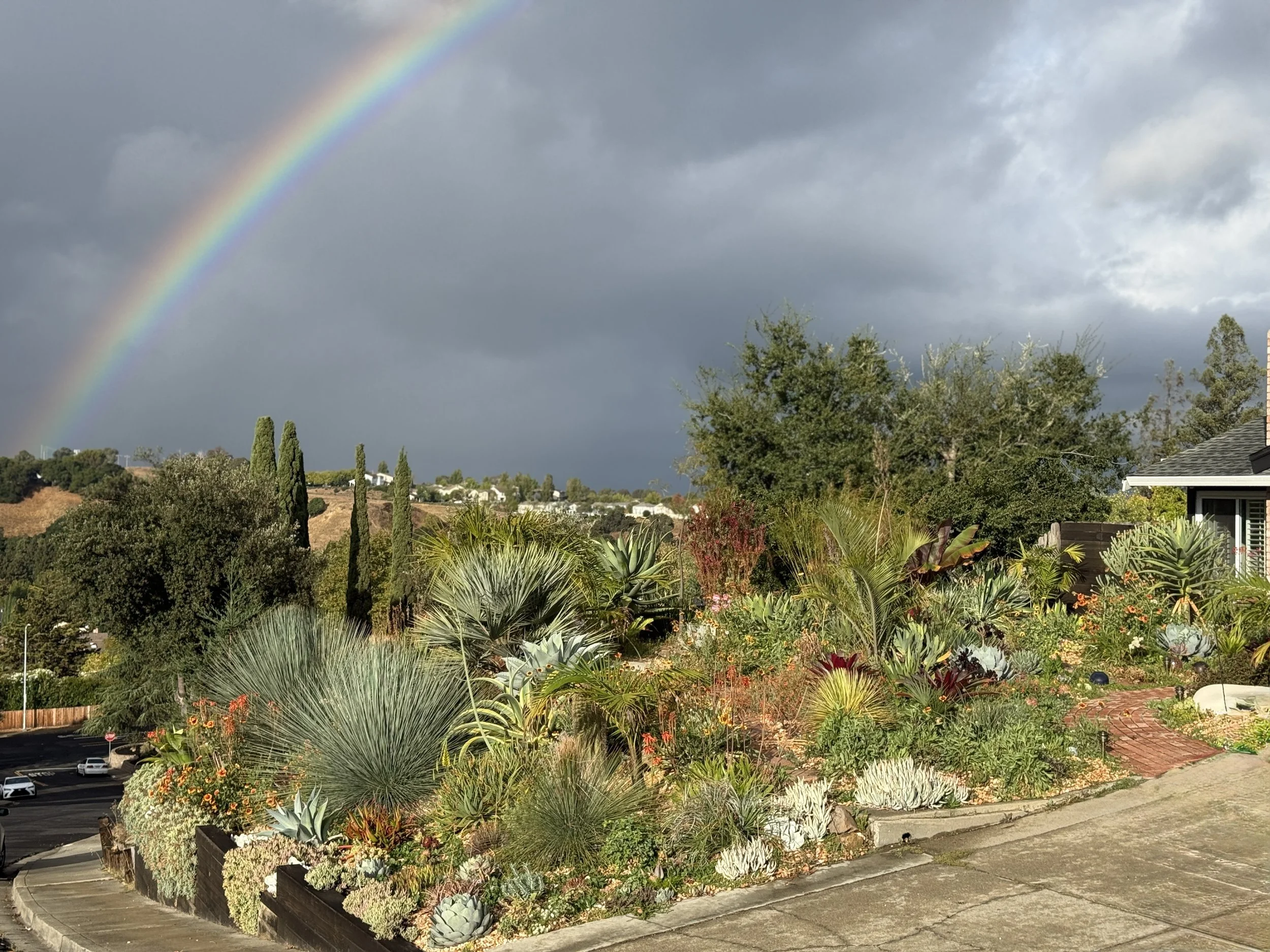
The Mechanics Behind Bay Area Microclimates
The Bay Area’s climatic complexity is a product of geography. The Pacific Ocean sits immediately to the west, generating cold, moist marine air year-round. The Coast Range and, further inland, the Diablo Range and Sierra Nevada, create a series of barriers and passes that control how that marine air moves through the region. Gaps like the Golden Gate, the Carquinez Strait, and the Altamont Pass act as funnels, pulling cold fog and marine air deep into the interior during summer months.
The result is a region where inland valleys regularly reach 100°F on summer afternoons while coastal neighborhoods simultaneously sit at 58°F under dense fog. The thermal gradient is not gradual—it is abrupt, and it changes on a seasonal and even daily basis. Morning fog burns off in some neighborhoods by 10 a.m. In others, it persists through the entire day from June through September.
Elevation compounds these patterns. Hillside properties gain or lose elevation rapidly over short horizontal distances. Cold air is denser than warm air and drains downslope at night, pooling in low-lying areas and frost pockets. A property at 800 feet elevation may experience frost events that a property 200 feet lower and half a mile away never encounters. These elevation-driven temperature inversions are a persistent feature of hillside sites throughout Marin, the East Bay hills, and the Peninsula.
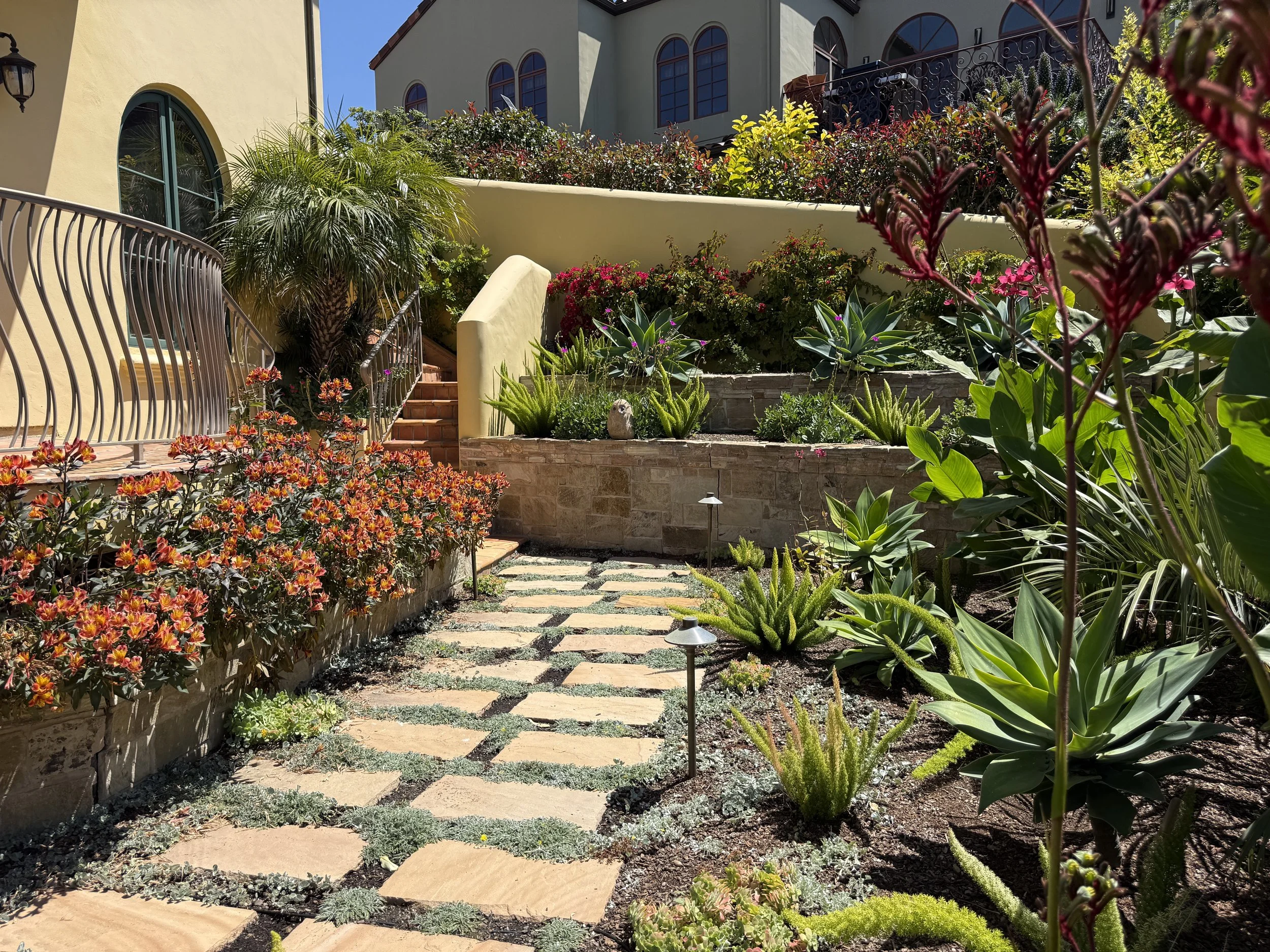
The Five Core Microclimate Zones
While the Bay Area contains hundreds of distinct microclimatic variations, professional practice groups them into five broad zones for the purpose of landscape design.
The Coastal Zone covers properties directly exposed to marine influence: oceanfront parcels, west-facing slopes in Marin and San Francisco, and sites within two to three miles of open water. These gardens experience persistent summer fog, rarely exceed 75°F, and almost never face frost. Wind exposure is the dominant design challenge. Evergreen coastal scrub species—those adapted to salt spray, desiccating wind, and cool temperatures—perform reliably here. Many Mediterranean and inland California natives planted in this zone fail not because of cold, but because summer warmth is insufficient for reproductive maturity and full expression of drought-adaptive physiology.
The Fog Belt Transition Zone encompasses much of San Francisco, the western slopes of the Berkeley and Oakland hills, and coastal communities from Pacifica through Daly City. Marine influence is substantial but not total. Fog is common in summer but breaks more frequently than the coastal zone. Maximum temperatures are modestly higher. This zone is where a wider palette of Mediterranean-basin species begins to perform reliably, though heat-demanding taxa—bougainvillea, citrus, certain lavenders—remain unreliable without south-facing exposure and reflected heat from hardscape.
The Bay-Influenced Zone covers much of the urban core: central San Francisco, Oakland, Berkeley flats, and communities immediately surrounding the bay. The large water mass of the bay moderates temperature extremes in both directions, suppressing frost and limiting summer heat spikes. This is one of the most plant-diverse zones in the region. A broad range of Mediterranean-climate species from California, the Mediterranean Basin, South Africa, Chile, and Australia perform well here. Frost sensitivity is rarely a limiting factor, though humidity and poor air circulation can increase foliar disease pressure in susceptible taxa.
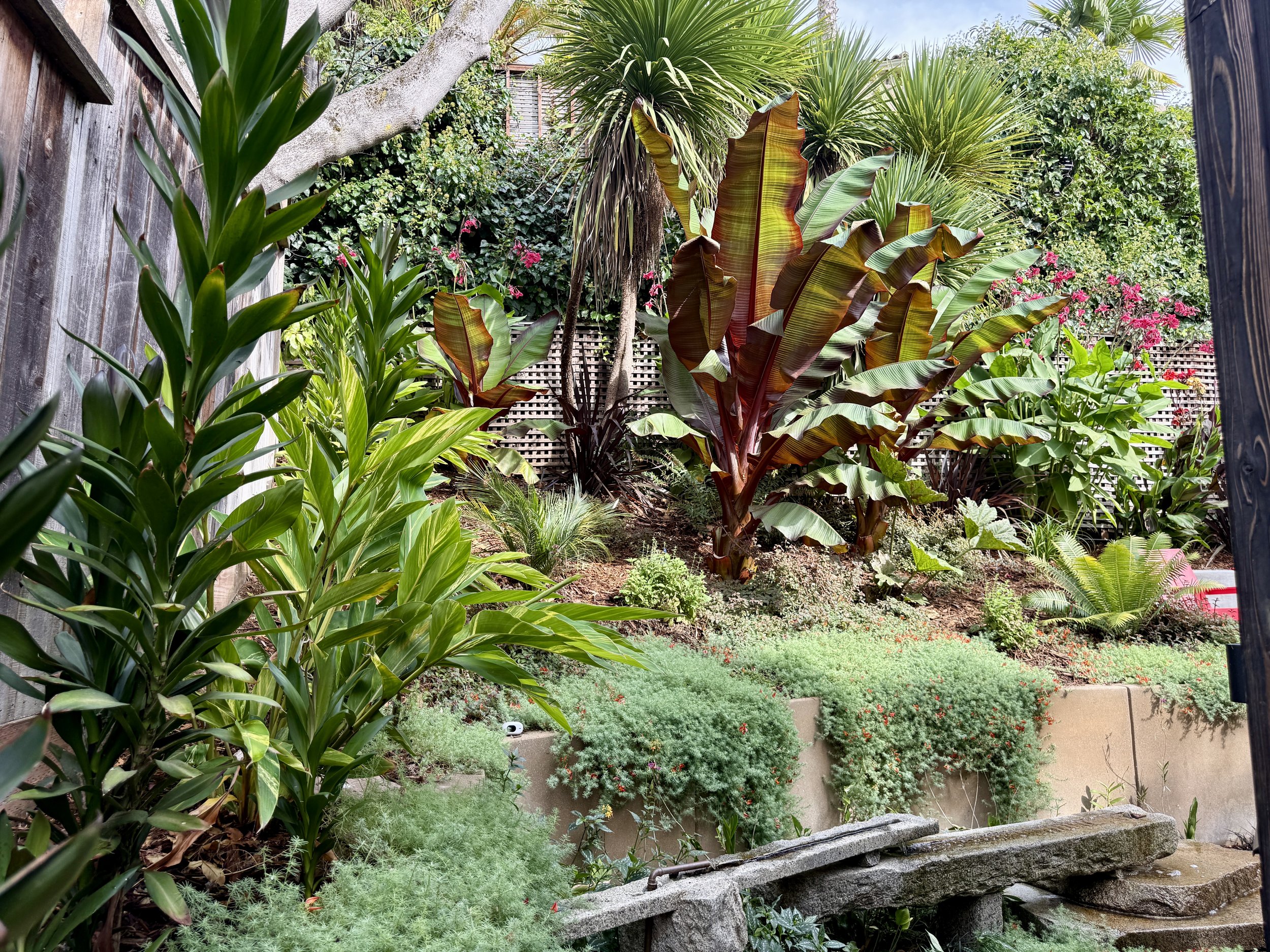
The Inland Valley Zone includes the Napa and Sonoma valleys, the Livermore Valley, Walnut Creek, Concord, and similar communities east and north of the primary coastal ranges. Summer heat is substantial—100°F events occur regularly—and cold air drainage creates frost risk in winter. This zone demands species with demonstrated heat tolerance and, equally important, the root system architecture to maintain soil moisture access during extended summer drought. Clay soils are common, creating drainage challenges that must be addressed in design. Plants that fail in this zone typically do so not from temperature extremes but from a combination of summer heat and inadequate soil drainage.
The Hill and Ridge Zone applies to elevated sites across Marin, the East Bay hills, and the Santa Cruz Mountains. These sites are defined by exposure: wind is persistent, soils are often shallow and rocky, and solar radiation is intense due to limited canopy and frequent clear skies above the fog layer. Drainage is rarely a problem, but moisture retention is. Root architecture, drought-adaptive morphology, and wind tolerance are the critical selection criteria here. Many popular ornamental species that perform well in sheltered valley gardens fail on exposed ridgelines within five years, not from dramatic climate events but from chronic moisture stress compounded by wind desiccation.
How Microclimate Analysis Shapes Design Decisions
Farallon Gardens begins every project with a site assessment that establishes the microclimate profile of the property. This is not a general characterization—it is a specific inventory of sun exposure by season, prevailing wind direction and intensity, frost pocket locations, drainage patterns, soil type and depth, and proximity to marine influence. These factors are documented before any design work begins.
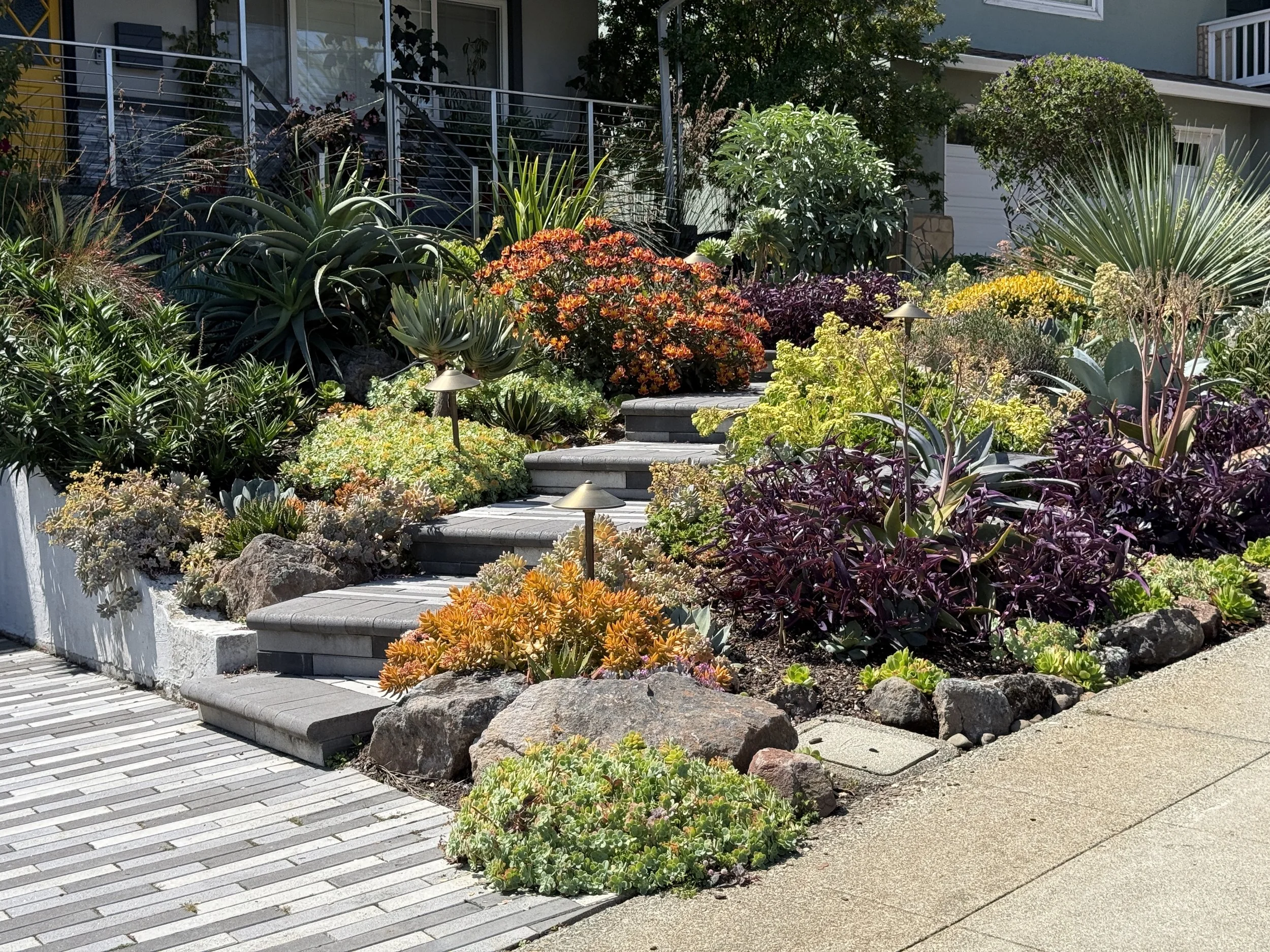
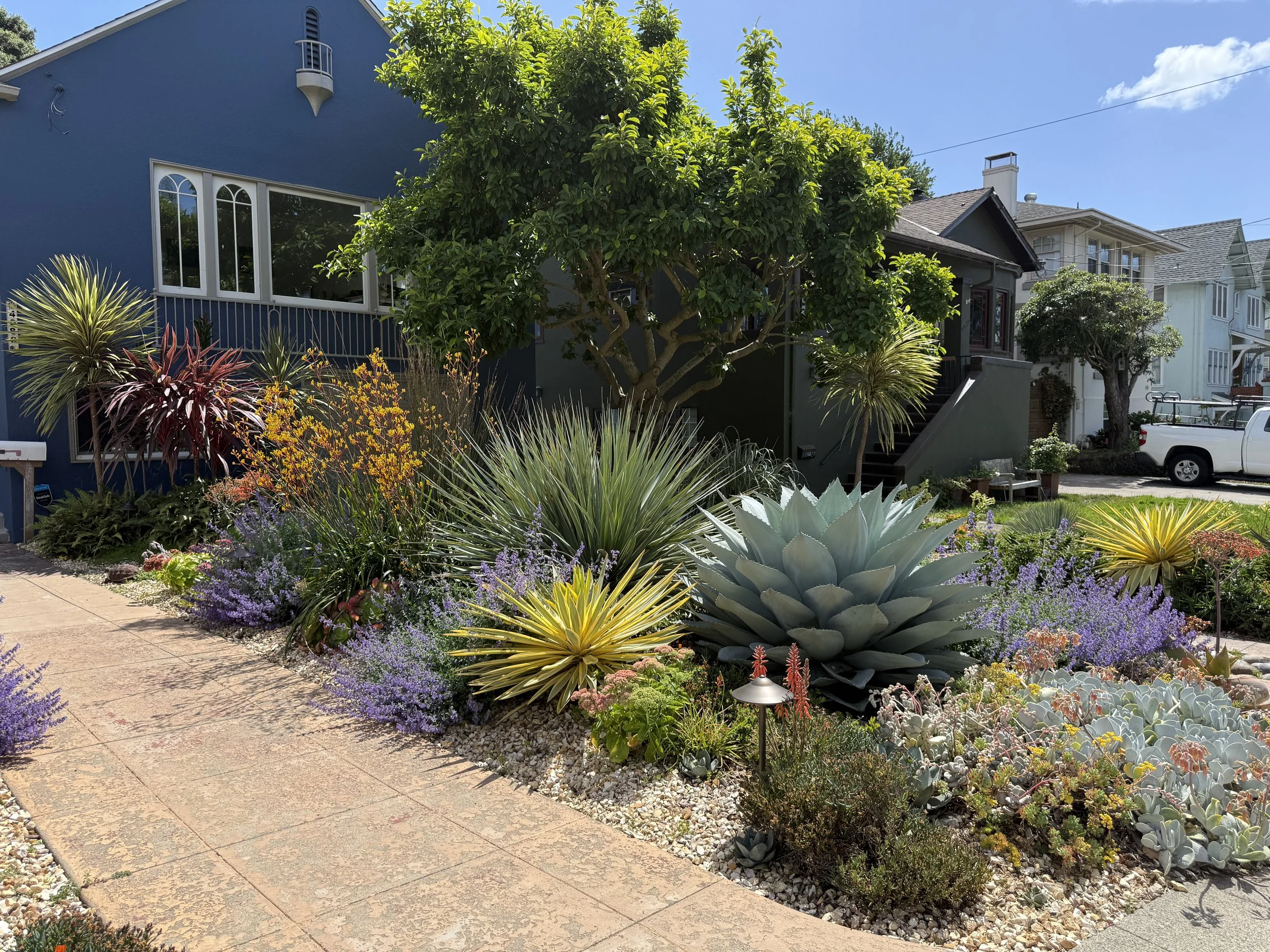
The practical consequences of this analysis are significant. On a single residential property, it is common to identify two or three distinct microclimatic sub-zones based on aspect, proximity to walls and hardscape, tree canopy coverage, and slope orientation. A south-facing patio wall creates a warm, reflective microclimate where heat-loving species thrive. The north-facing slope twelve feet behind that same house may require shade-tolerant, moisture-retentive species. Treating the entire property as a single uniform environment is a reliable path to plant failure.
Aspect—the direction a slope faces—is particularly consequential in the Bay Area. South- and west-facing slopes receive substantially more solar radiation than north- and east-facing slopes. In summer, this differential is amplified by the position of the sun and the duration of direct exposure. A west-facing hillside garden may require irrigation twice what a comparable north-facing garden requires, even when the two sites are on the same property. Plant selection for these two aspects should be approached as two separate plant palettes.
Soil thermal mass is another variable that microclimate analysis must address. Rocky, thin soils on exposed slopes heat and cool rapidly. Deep loam soils in valley gardens moderate temperature fluctuations and retain more moisture. These differences affect not only what will grow but when species bloom, when they require supplemental irrigation, and how they respond to the late-season heat events that characterize Bay Area autumns.
Water Use Classification and Microclimate Alignment
Plant water requirements cannot be evaluated in isolation from site microclimate. Water Use Classification of Landscape Species (WUCOLS), the California Department of Water Resources’ regional classification system, assigns irrigation need categories to thousands of landscape plants, but these classifications are regionally adjusted—and the Bay Area’s regional zones reflect exactly the microclimate variation described above.
A species classified as “low water” in the North Coast region may perform as a moderate-water plant when installed on an exposed south-facing slope in the Inland Valley zone. Conversely, a moderate-water species in that same classification may function with minimal supplemental irrigation when installed in a cool, fog-influenced coastal garden with deep loam soil. The WUCOLS classification is a starting point, not a prescription. Translating that classification into actual irrigation programming requires site-specific microclimate assessment.
This is where professional expertise translates directly into long-term plant performance and reduced water consumption. Matching plant water requirements precisely to site microclimate—rather than applying uniform irrigation across a property—is both an agronomic best practice and a water conservation strategy. Hydrozone design, which groups plants by water need and microclimate within distinct irrigation zones, is the implementation mechanism, and it requires detailed microclimate data to execute correctly.
The Long View
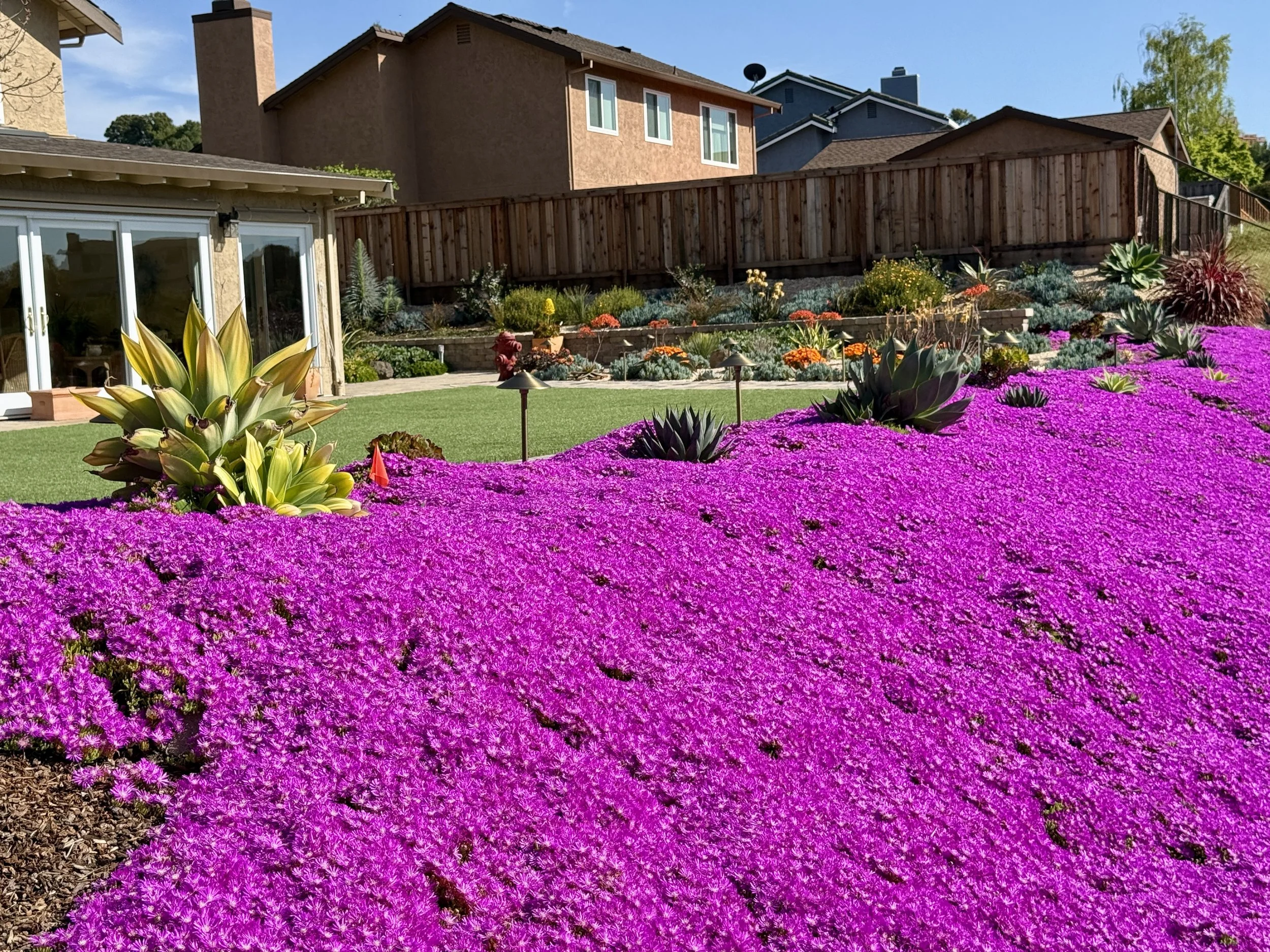
The Bay Area’s microclimate complexity is not a complication to be worked around. It is the defining characteristic of the region’s extraordinary plant diversity. The same geography that produces marine fog layers, inland heat events, frost pockets, and exposed ridgelines also produces the climatic range that allows a skilled designer to work with an unusually broad palette of species from around the world—California natives, Mediterranean-basin perennials, South African bulbs, New Zealand shrubs, and Australian groundcovers—within a single metropolitan region.
The discipline is in reading the site correctly before making those selections. Plants installed without regard to microclimate do not fail immediately. They often perform adequately for two or three seasons before declining, by which time the root cause has become difficult to diagnose. Correct microclimate analysis at the design stage is not an abstract exercise in botanical rigor. It is the reason professionally designed landscapes continue to perform fifteen and twenty years after installation, while informally assembled gardens require repeated replacement.
Contact us at info@farallongardens.com to schedule a site assessment. farallongardens.com
Botanically Driven - Distinct by Design. We love your garden.
Transform Your Bay Area Garden Into a Living Sanctuary for Pollinators
A functional pollinator garden is the product of informed plant selection, site analysis, and an understanding of how local ecology functions or operates. A garden that genuinely supports pollinators is built on knowledge of the plants, the insects, the soil, and the climate.
Farallon Gardens brings together botanical knowledge, a refined aesthetic, and design experience to build Bay Area gardens that perform as genuine pollinator habitat. Our work is grounded in the specific conditions of this region—its climate, its native insect fauna, its soils, and the plant communities best suited to support them.

Living Art: When Gardens Become Ecological Masterpieces
Seasonal succession in bloom time is both an ecological requirement and a design asset. A planting that sequences from early spring through late autumn provides continuous forage while also creating visual progression through the year. Structural contrast—fine-textured foliage against bold architectural forms, for example—supports diverse pollinator communities by accommodating the range of flower forms used by different bee species, butterflies, and hummingbirds.
When ecological function and design intent are aligned, the result is a garden that works on multiple levels simultaneously—visually resolved, ecologically productive, and suited to how the space is enjoyed.
Beyond Bees: The Full Spectrum of Beneficial Insect Pollinators
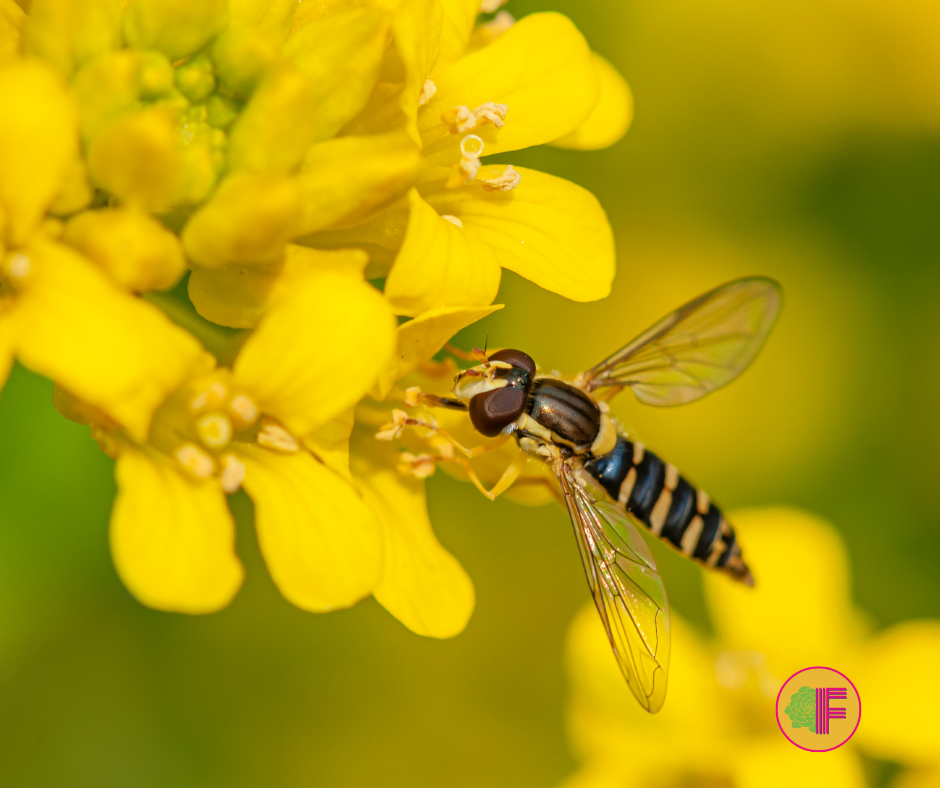
Honeybees and butterflies represent a small fraction of the insect pollinators present in Bay Area gardens. A functionally designed habitat accounts for the full range—native bees, hoverflies, beetles, moths, and wasps—each group with distinct habitat requirements, foraging behaviors, and ecological roles beyond pollination alone.
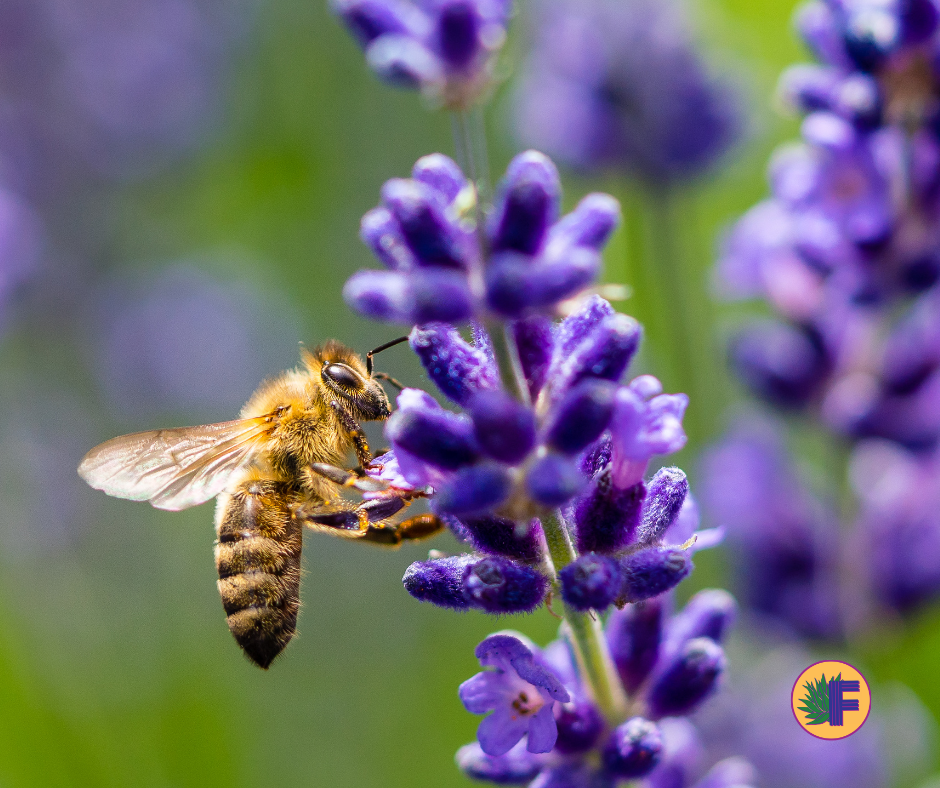
Native bees represent the largest group of pollinators, with species ranging from tiny sweat bees smaller than a grain of rice to robust carpenter bees. Many are solitary nesters, creating homes in hollow plant stems, bare ground, or existing cavities. Hoverflies mimic bees in appearance but are actually flies whose larvae consume aphids and other pests. As adults, they're excellent pollinators, particularly of plants with open, accessible flowers.
Beetles, often overlooked, were among the first pollinators in evolutionary history and remain important for certain plant species. Moths provide critical nighttime pollination services, and their caterpillars serve as essential food for birds raising young. Even wasps, frequently maligned, offer dual benefits as both pollinators and predators of garden pests.
Farallon Gardens designs with the full insect community in mind. A properly layered habitat addresses the complete life cycle—adult foraging plants, larval host plants, overwintering structure, and pesticide-free management. The outcome is a garden that becomes increasingly self-regulating over time, with natural predator-prey relationships reducing the need for intervention.
Hummingbirds: The Bay Area’s Remarkable Aerial Pollinators
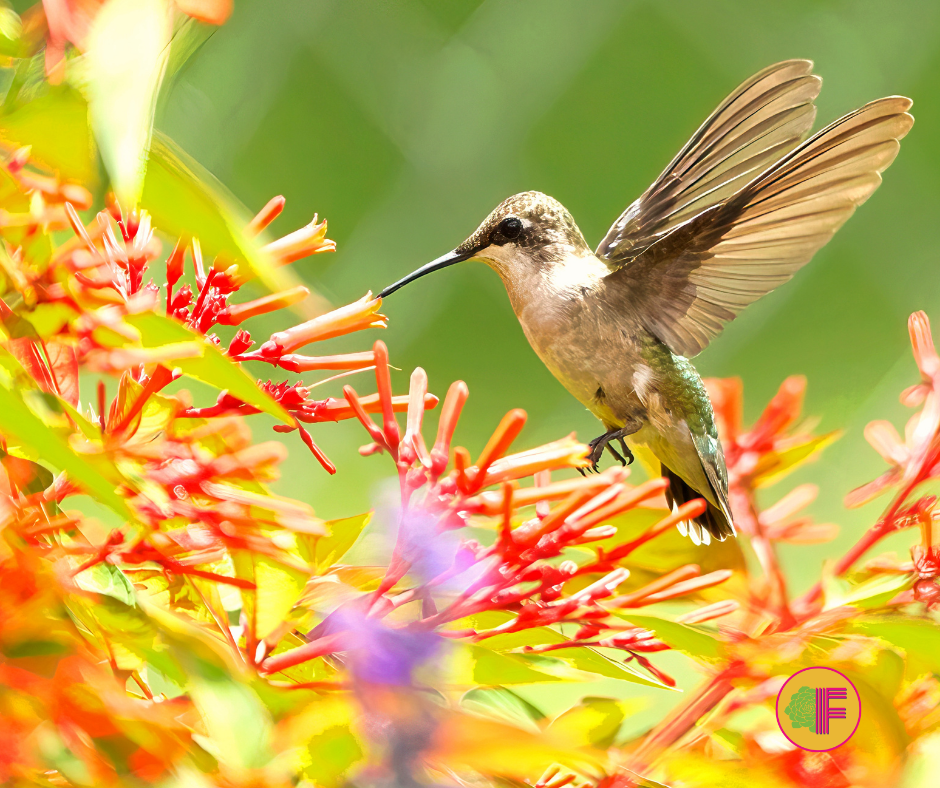
The Bay Area supports one of the densest hummingbird populations in North America—a biological reality with direct consequences for garden design. Anna’s Hummingbird (Calypte anna) is a year-round resident throughout the region, while Allen’s Hummingbird (Selasphorus sasin) arrives in late winter and remains through summer. Both species are obligate nectarivores and significant contributors to pollination, particularly for tubular-flowered plants whose morphology limits access to most insect pollinators. Hummingbirds are integral to the ecological structure of a well-designed Bay Area garden.
Unlike most insect pollinators, Anna’s Hummingbird is active in every month of the year, foraging during winter rain gaps and early spring before the insect community has fully emerged. This extended seasonal presence makes hummingbird-compatible planting a functional priority, not merely an aesthetic one. Farallon Gardens selects and sequences these plants deliberately, ensuring that hummingbird-accessible bloom is distributed across all seasons and integrated into the broader habitat structure of the garden.
The Farallon Gardens Approach: From Vision to Thriving Ecosystem
Successful pollinator plantings are site-specific. Soil type, drainage, sun exposure, aspect, and microclimate all determine which plants will establish and perform over time. The Bay Area’s varied topography means conditions can shift substantially from one property to the next—coastal influence, hillside exposure, valley heat, and urban heat island effects each require a different approach to plant selection and design.
Every Farallon Gardens project begins with a thorough site assessment. We evaluate soil composition, drainage patterns, existing vegetation, sun and shade distribution, and irrigation infrastructure before a single plant is specified. This analysis directly informs the design—ensuring that plant selection is matched to actual conditions rather than generalized assumptions about what should grow in the Bay Area.
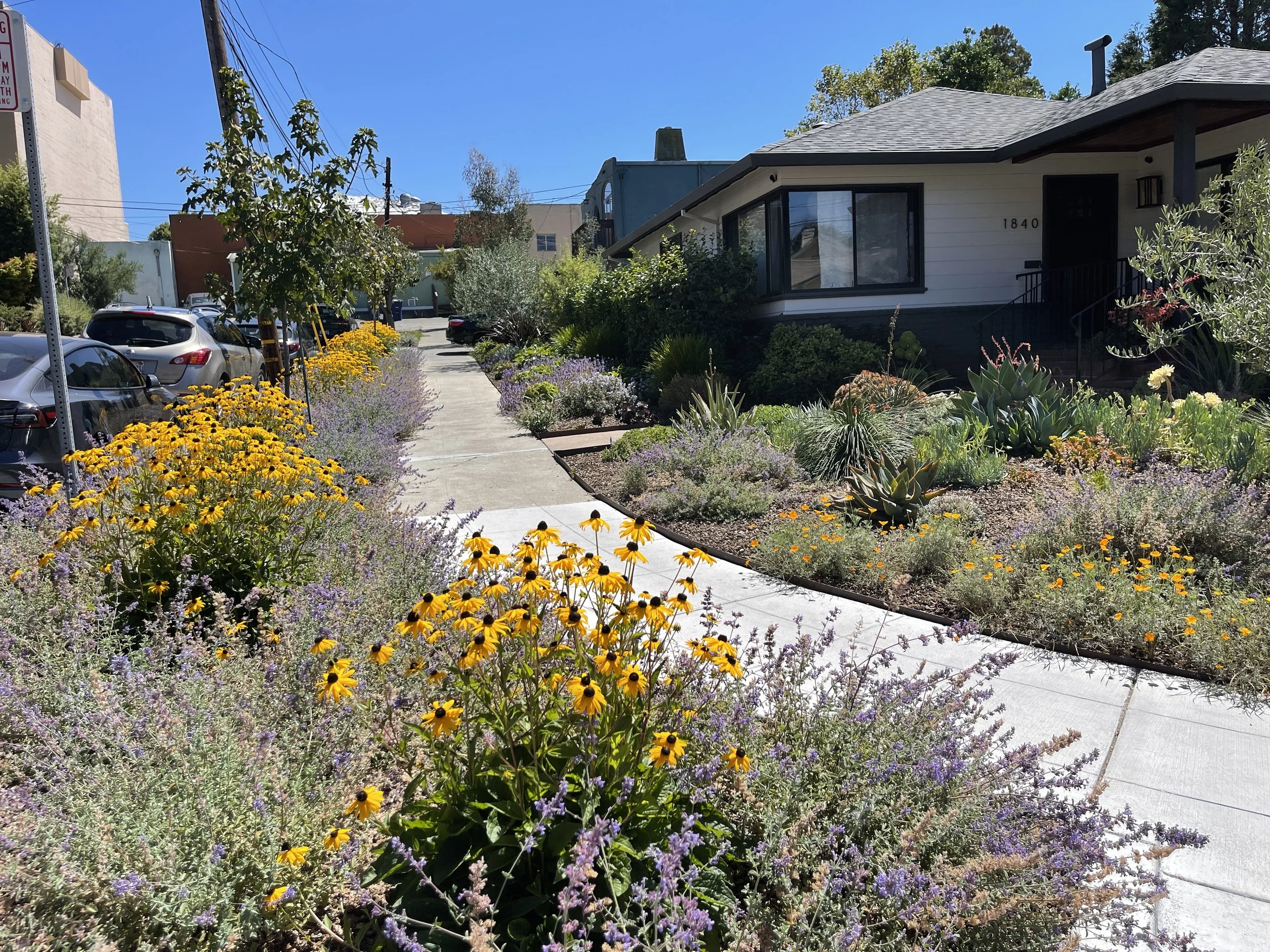
In the Bay Area’s Mediterranean climate, fall and early winter planting allows root systems to develop during the rainy season, building drought tolerance before the first summer. We schedule installations accordingly, and our knowledge of local seasonal patterns informs every phase of the process.
During the long Bay Area summer, when California natives have dried back and gone dormant, Mediterranean plants step in to fill the ecological void. Nepeta, Cuphea, Osteospermum, Agastache, and Salvia bloom through the heat, sustaining carpenter bees, bumble bees, mason bees, and leafcutters well into autumn—extending the garden’s season of productivity far beyond what a single-origin planting could achieve.
Post-installation maintenance for native and pollinator gardens differs significantly from conventional garden care. These plantings respond to seasonal rhythms and require intervention timed accordingly—not a standard schedule applied regardless of conditions. Farallon Gardens offers maintenance programs built around how these plant communities grow, from seasonal cutbacks and mulching to full year-round stewardship.
Begin Your Garden's Transformation
A well-designed pollinator garden requires botanical knowledge, design experience, and a clear understanding of how plants perform in specific Bay Area conditions. These are not interchangeable skills, and the results reflect whether all three are present. Farallon Gardens has built its practice around exactly this combination, applied specifically to the gardens and conditions of this region.
Pollinator plantings are long-term investments in the ecological function of a property. The plant communities we establish continue to mature and increase in habitat value over time. A garden installed today will be a more complex and productive system in five years—provided it was designed and planted correctly from the start.
Pollinator gardens require site-specific knowledge and seasonal timing to establish well. Contact Farallon Gardens at info@farallongardens.com to schedule a consultation. farallongardens.com
Botanically Driven. Distinct by Design. We love your garden.
The Great Acacia Blame Game: Why Your Favorite Golden Tree Isn't the Allergy Villain You Think It Is
If you live in the Bay Area and suffer from sneezing, itchy eyes, and a runny nose every February and March, you've probably pointed your finger at those gorgeous golden acacia trees blooming along our streets. With their brilliant yellow flowers impossible to miss, they seem like the obvious culprit. But here's the plot twist: Acacia trees might be taking the blame for allergies they didn't cause!
The Acacia Scapegoat Phenomenon
Picture this: you're walking through the Bay Area in late February, and those stunning Acacia trees are absolutely covered in brilliant yellow blooms, busy bees buzzing fortuitously on the blossoms. Your eyes start watering, you sneeze three times in a row, and you think, "Aha! It's those Acacia trees!" It's a logical conclusion—after all, they're the most visible flowering trees around. But visibility doesn't equal allergenicity!
Here's what the science tells us: research shows that Acacia sensitization occurs in only 3-7% of allergy populations. To put that in perspective, grass allergies affect 20-40% of allergy sufferers, and other tree pollens can sensitize 20-50% of people. Acacia isn't even in the same league! Yet it gets blamed constantly because of perfect—or should we say, perfectly unfortunate—timing.
The Real Culprits: The Bay Area's February-March Pollen Peak
So, if Acacia isn't causing most of your symptoms, what is? The answer lies in understanding the Bay Area's pollen calendar. During Acacia's February-March bloom period, the Bay Area experiences a perfect storm of highly allergenic tree pollens. Let's meet the actual troublemakers:
Alder Trees - These sneaky deciduous trees release massive amounts of highly allergenic pollen throughout February and March. They're one of the major causes of allergic disease in Northern California, yet they're far less visually obvious than those showy Acacia blooms.
Juniper, Cedar, and Cypress - This related family of evergreens pollinates from January all the way through May (sometimes even June!). They're moderately to highly allergenic and are very important pollen sources in the Bay Area. According to local allergists, they're major causes of allergic disease in our region.
Birch Trees - While not native to California, birch has been planted extensively for its attractive white bark. During its March-to-mid-April pollen season, birch releases highly allergenic and abundant pollen.
Ryegrass - Starting to gear up in late winter and early spring, grasses are the single most important group of plants causing allergies in the Bay Area. Grass pollen grains are large, highly allergenic, and can reach very high counts. Skin test reactions to grass are often quite strong in allergic patients.
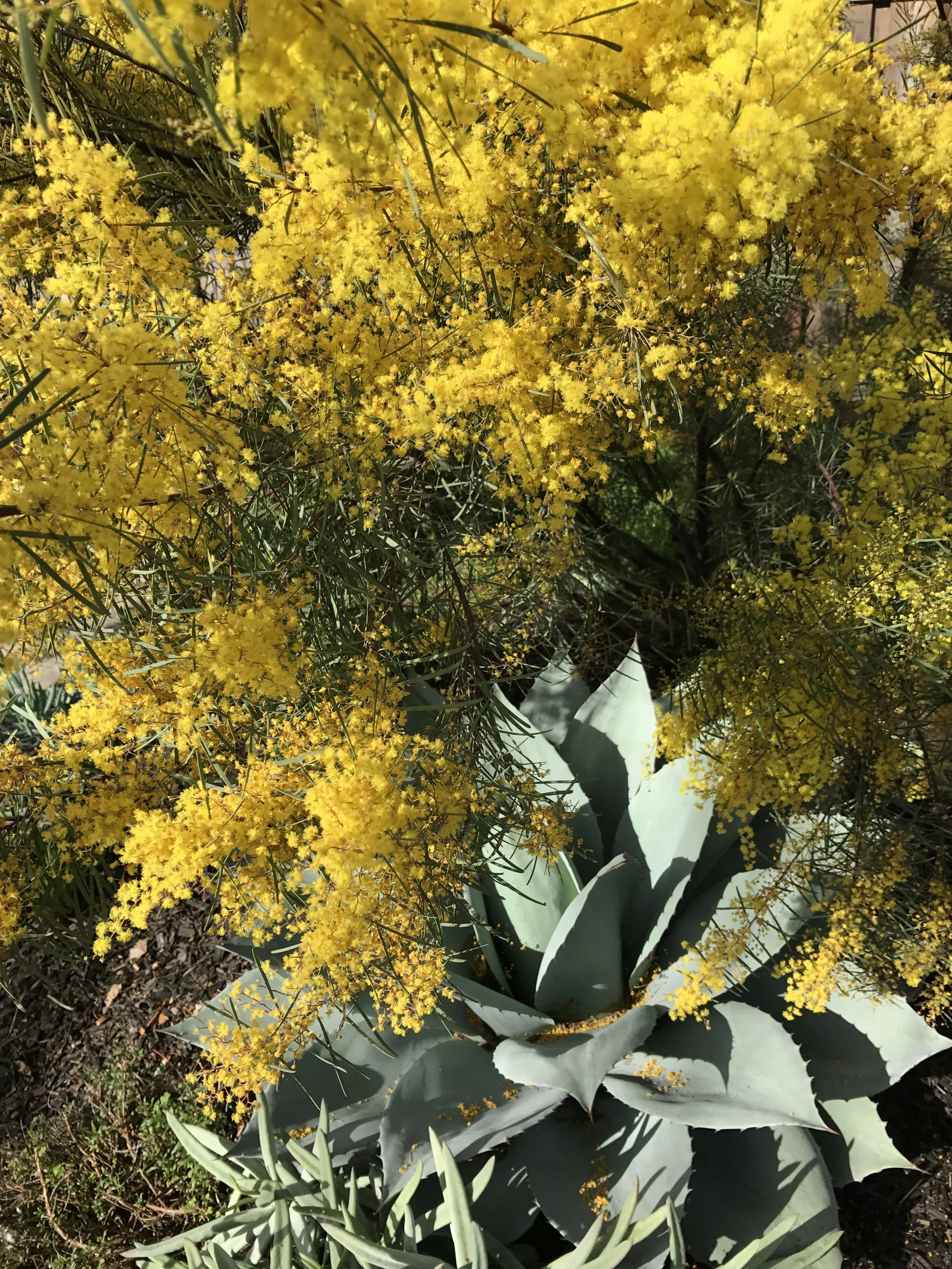
Meanwhile, Acacia produces what allergists describe as a "heavy pollen" that doesn't travel far and is only mildly allergenic. One local allergy specialist notes that Acacia is "only important in the immediate vicinity of the tree" and has much lower allergenicity compared to the trees listed above.
Why Acacia Gets All the Blame
Experts attribute the Acacia blame game to what we might call "visual cue bias." Acacia's bright yellow blossoms are simply impossible to miss during peak allergy season. They're everywhere in the Bay Area—lining streets, gracing parks, and creating those Instagram-worthy golden canopies we all love (when we're not sneezing). When you can literally see the pollen source, it's natural to assume it's the problem.
Meanwhile, the real allergenic powerhouses—alder, juniper, and cedar—release their pollen much more quietly. Their flowers aren't showy. You might not even notice them blooming. But their lightweight, highly allergenic pollen travels on the wind for miles, triggering symptoms in allergy sufferers throughout the region.
It's the perfect case of mistaken identity: the flashy suspect gets arrested while the actual perpetrators slip away unnoticed!
The Bay Area Allergy Reality Check
Testing reveals the truth about what's actually triggering allergies in our area. Studies of Bay Area allergy patients show that grasses and trees sensitize 20-50% of patients—dramatically dwarfing Acacia's minor 3-7% role. When you think about the numbers, it's clear that Acacia allergies are far rarer than people think.
This doesn't mean Acacia allergies don't exist—they absolutely do! If you're one of that 3-7%, your symptoms are real and valid. But most people experiencing symptoms during acacia bloom time are actually reacting to alder, juniper, birch, grasses, or a combination of these much more allergenic pollens.
What This Means for Your Landscape
If you've been planning to remove that beautiful Acacia from your property thinking it's the source of your allergy woes, you might want to reconsider! While we always recommend professional allergy testing to identify your specific triggers, the science suggests that Acacia is probably not your main problem.
For Bay Area homeowners looking to create more allergy-friendly landscapes, focusing on the true high-allergen culprits makes more sense. At Farallon Gardens, we have the expertise to identify which specific plants are triggering your symptoms and design a landscape that's both stunning and allergy conscious. Every property is different, and our customized approach ensures you get the right solutions for your unique situation.
Creating a beautiful, low-allergen landscape requires understanding the difference between visual impact and allergenic impact. Just because a tree has showy flowers doesn't mean it's problematic for allergies. In fact, many of the most allergenic plants in the Bay Area have inconspicuous blooms that release lightweight, airborne pollen you can't even see.
Why Farallon Gardens Incorporates Acacia Trees
Given what we now know about Acacia's minimal role in the Bay Area allergies, it's no surprise that Farallon Gardens actively incorporates these stunning trees into the landscapes we design. Acacia species offer a compelling combination of benefits that make them ideal for Berkeley's unique environment and regulatory requirements.
First, Acacia trees are remarkably fast-growing, which is invaluable for homeowners who need quick screening, erosion control, or structural elements in their landscape. Many varieties can add 2-3 feet or more of growth per year, establishing a mature presence in just a few seasons—perfect for new EMBER-compliant landscapes that need rapid transformation.
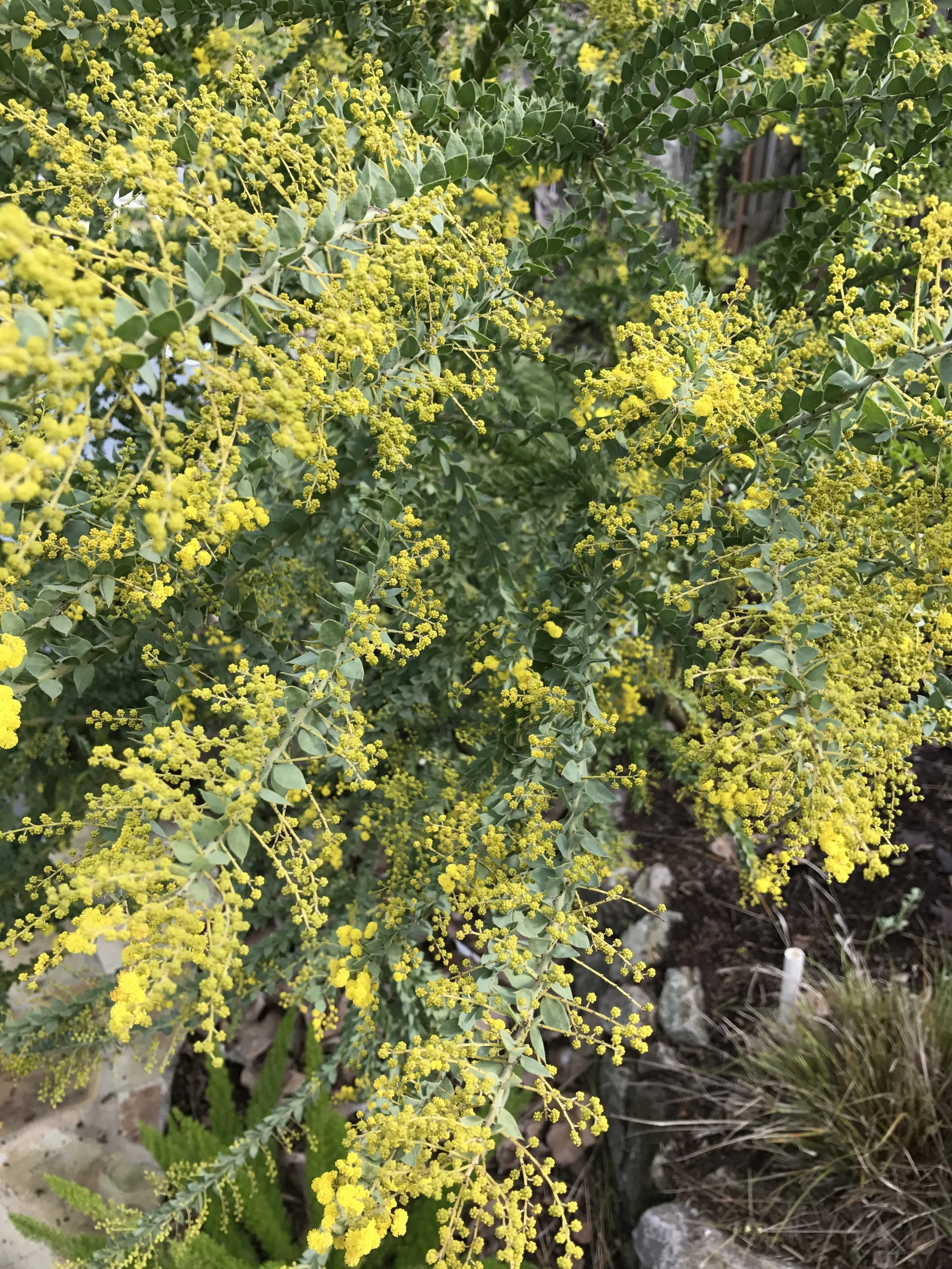
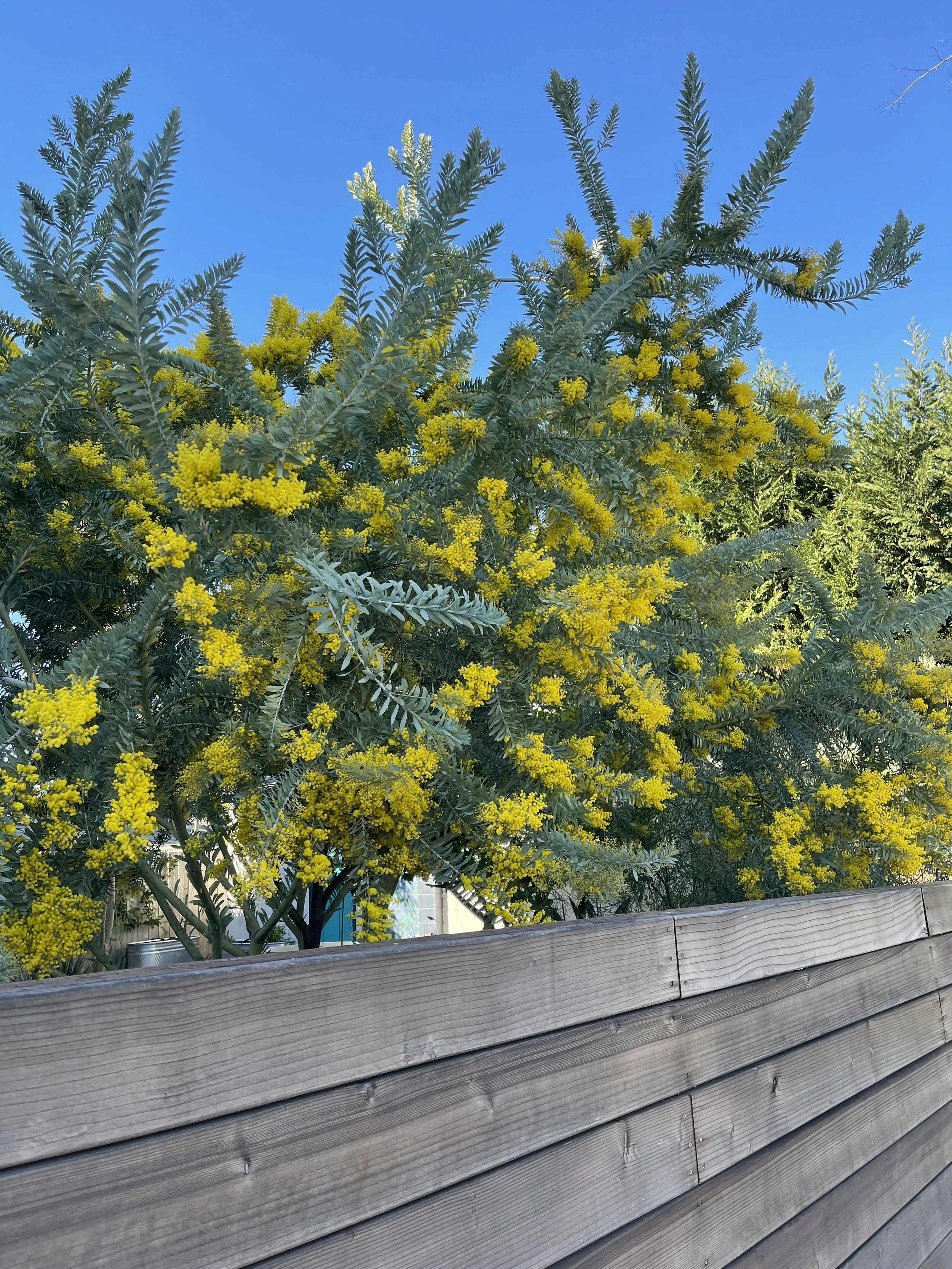
Second, their dramatic foliage and flower displays create year-round visual interest. The silvery-gray to blue-green phyllodes (modified leaf stems) provide striking textural contrast against darker plantings, while the golden-yellow winter and spring blooms offer spectacular color precisely when many other plants are dormant. This combination of form and flower makes Acacia trees exceptional focal points.
Most importantly, Acacia species demonstrate outstanding drought tolerance once established—a critical consideration in the Bay Area's Mediterranean climate and an essential feature for fire-safe, water-wise landscaping. These trees thrive with minimal supplemental irrigation, making them both environmentally responsible and compliant with California's water conservation requirements.
Farallon Gardens' Preferred Acacia Varieties
At Farallon Gardens, we've carefully selected Acacia varieties that excel in the Bay Area's climate. All our preferred species originate from Southwestern Australia, a region with a Mediterranean climate remarkably similar to the Bay Area's, ensuring excellent adaptability and performance.
Acacia podalyriifolia (Pearl Acacia or Queensland Silver Wattle)
This stunning small tree reaches 12-20 feet tall with a 10–15-foot spread, perfect for multi-story landscapes. Its distinctive silvery-gray, rounded phyllodes create a soft, elegant texture that contrasts beautifully with darker evergreens. In late winter to early spring, Pearl Acacia produces masses of fragrant, pale yellow pompom flowers that cover the branches in a spectacular display. Fast-growing and reaching flowering maturity in just 2-3 years, this variety is ideal for quick screening or as a focal specimen. It performs best with excellent drainage and tolerates the Bay Area's dry summers beautifully once established.
Acacia iteaphylla (Flinders Range Wattle or Willow Wattle)
Characterized by its graceful, weeping habit and narrow gray-green phyllodes, this versatile shrub typically grows 8-15 feet tall with a dense, spreading canopy of 10-15 feet. The slender, willow-like foliage has attractive pink-red tips on new growth, adding subtle color interest. Flowering occurs in late fall through winter with masses of fragrant, soft golden-yellow ball-shaped blooms—providing critical winter color when few other plants are flowering. Exceptionally drought-tolerant and adaptable to a wide range of well-drained soils, Flinders Range Wattle excels as a fast-growing screen, hedge, or slope stabilization plant. It's also moderately frost-tolerant and can handle both clay and sandy soils.
Acacia cultriformis (Knife-Leaf Wattle or Golden-Glow Wattle)
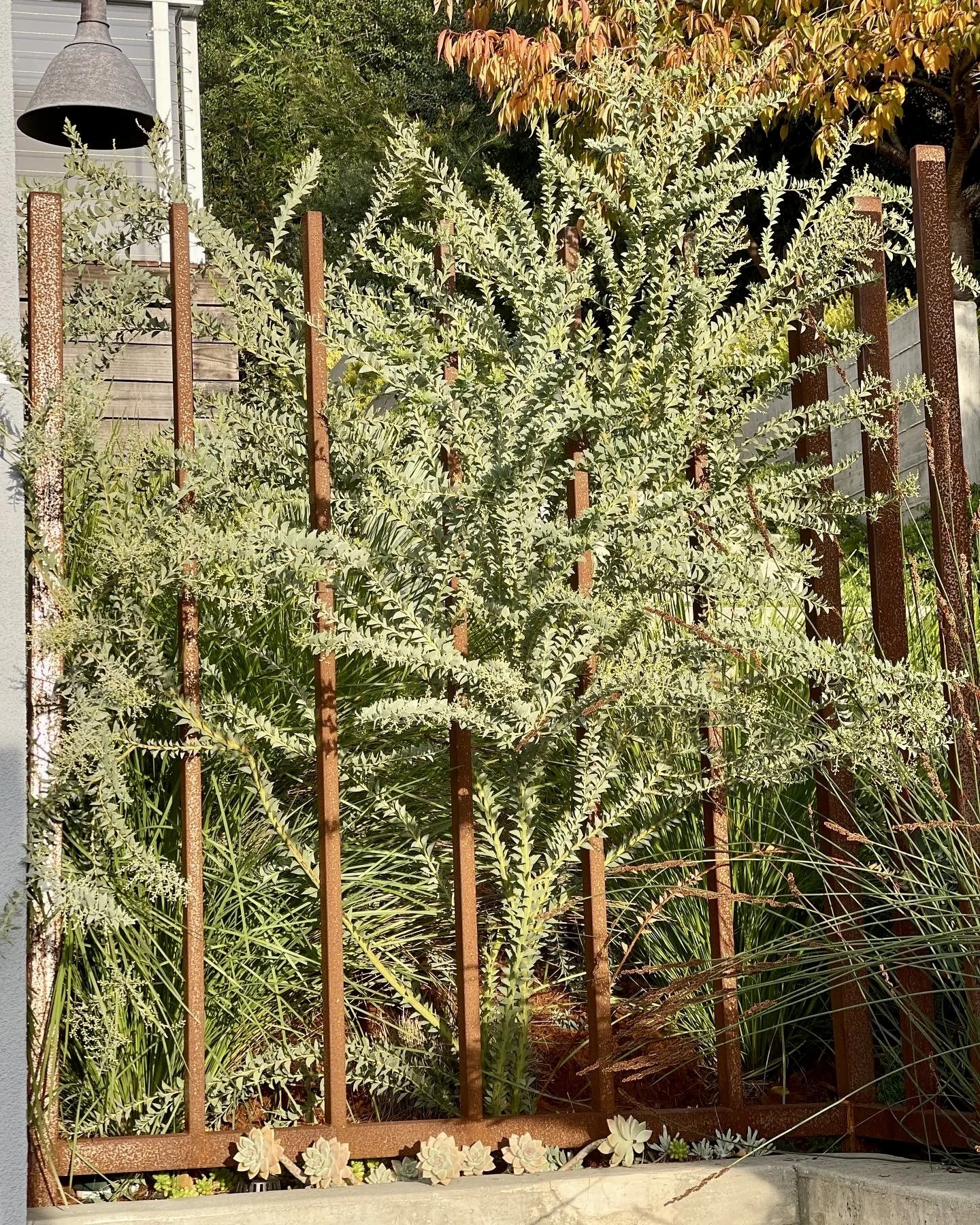
This multi-stemmed evergreen reaches 10-20 feet tall with distinctive triangular, knife-shaped phyllodes in an attractive silvery-gray color. The unique foliage creates striking architectural interest year-round, while spring brings abundant clusters of bright golden-yellow pompom flowers covering the upper branches. Knife-Leaf Wattle adds 24-36 inches of growth per year, making it excellent for quick establishment. It's remarkably adaptable, tolerating a wide range of soil types and proving useful as a barrier, screen, or on banks and slopes. With moderate frost tolerance and excellent drought resistance, this long-lived species (up to 50 years) provides lasting value. The cut branches are also beautiful in flower arrangements.
Acacia covenyi (Blue Bush)
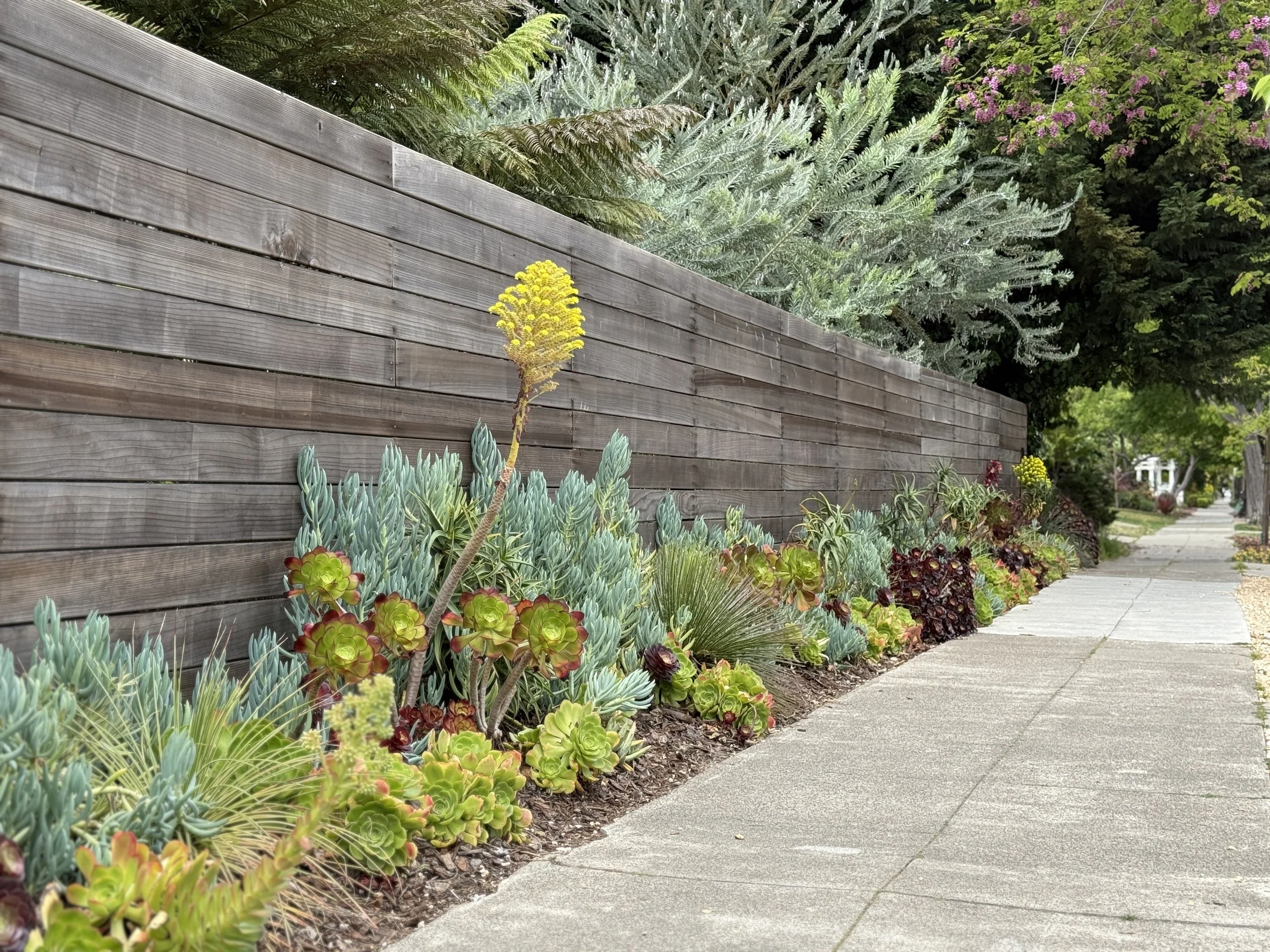
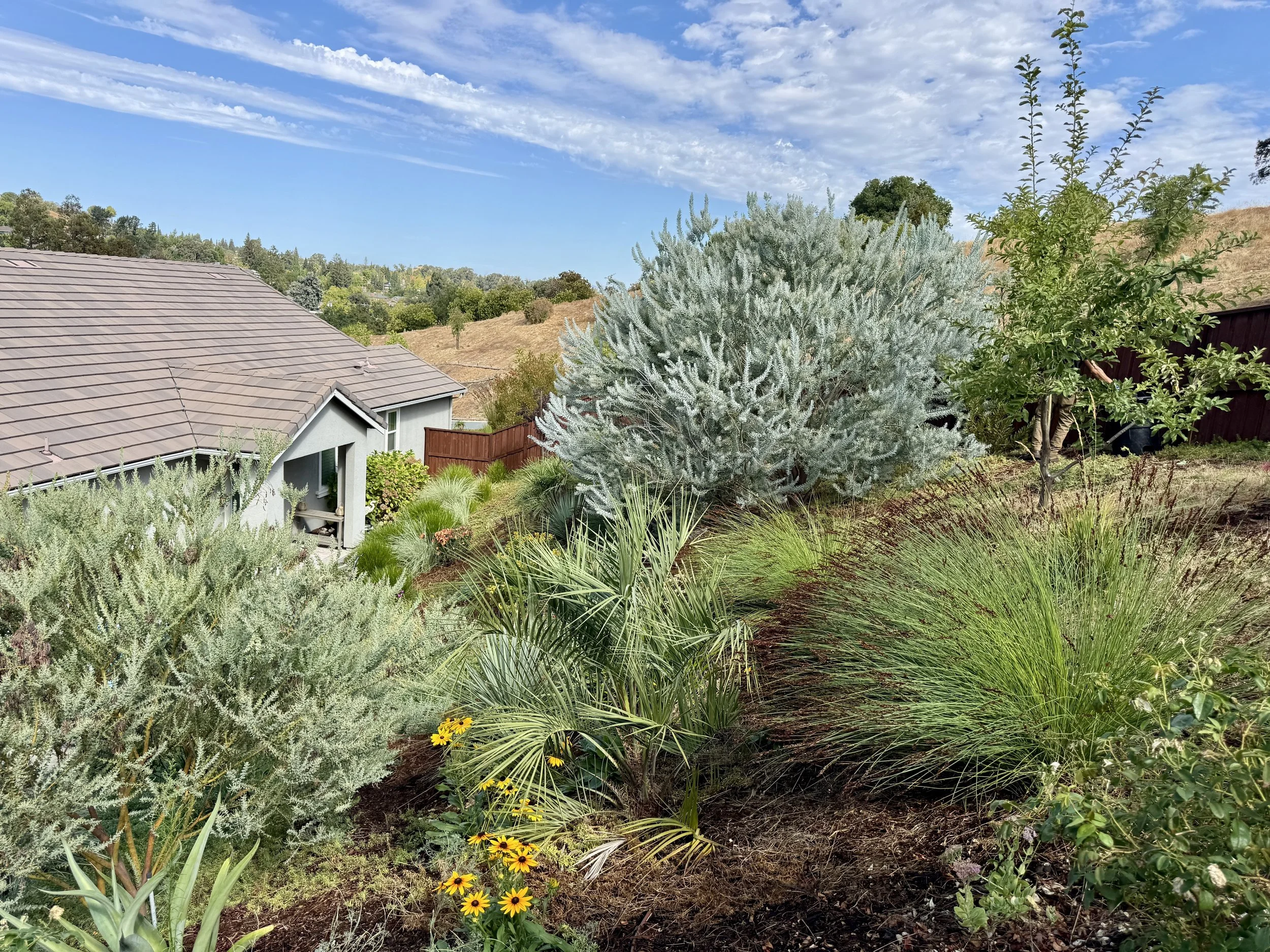
Perhaps the most striking for foliage alone, Blue Bush features stunning powder-blue to gray-blue phyllodes that provide exceptional color contrast in the landscape. Growing 15-20 feet tall and 8-12 feet wide as either a multi-stemmed shrub or small single-trunked tree, it creates dramatic visual impact. The smooth chocolate-brown bark adds additional interest. In late winter to early spring, masses of luminous lemon-yellow flower balls emerge, creating a spectacular contrast against the blue foliage. This is one of the hardiest Acacia species, tolerating brief periods down to 10°F, making it reliable for the Bay Area's occasional cold snaps. Quick-growing and adaptable to various well-drained soils, Blue Bush is excellent for screens, specimen planting, and hedges. The abundant winter flowers provide crucial early-season pollen for beneficial insects.
Let Farallon Gardens Help You Navigate the Bay Area's Allergy Landscape
At Farallon Gardens, we understand the unique challenges of creating beautiful outdoor spaces in the Bay Area's complex allergy environment. Whether you're dealing with EMBER compliance requirements or simply want to design a landscape that won't trigger sneezing fits every spring, we're here to help. Our team knows which plants are truly problematic for allergies and which ones just look like they might be!
We specialize in creating stunning, fire-safe, allergy-conscious landscapes that work with the Bay Area's climate and regulations. From comprehensive site assessments to custom design and professional installation, we handle every detail so you can enjoy your outdoor space—sneeze-free!
Ready to create a landscape that's both beautiful and breathable? Contact Farallon Gardens today at info@farallongardens.com to schedule your consultation. Let's stop blaming the Acacia and start creating the perfect outdoor space for your Bay Area home! Visit our site https://www.farallongardens.com
#LivingWorksOfArt #BerkeleyLandscaping #AcaciaMyth #AllergyFacts #BayAreaGardening #FarallonGardens #FireSafeLandscaping #BerkeleyHillside #SustainableGardening #PollenTruthษาไทยให้หน่อยได้ไหมคะ?
Fire-Resistant Landscaping: How Succulents Can Protect Your Home
In regions prone to wildfires, homeowners are seeking landscaping solutions that combine beauty with fire protection. Succulent landscaping has emerged as a powerful strategy for creating defensible space around properties, offering both aesthetic appeal and peace of mind. For Bay Area residents living in areas where wildfire risk is a growing concern, understanding how these remarkable plants contribute to fire safety can help you make informed decisions about protecting your home and family.
The Science of Fire Resistance
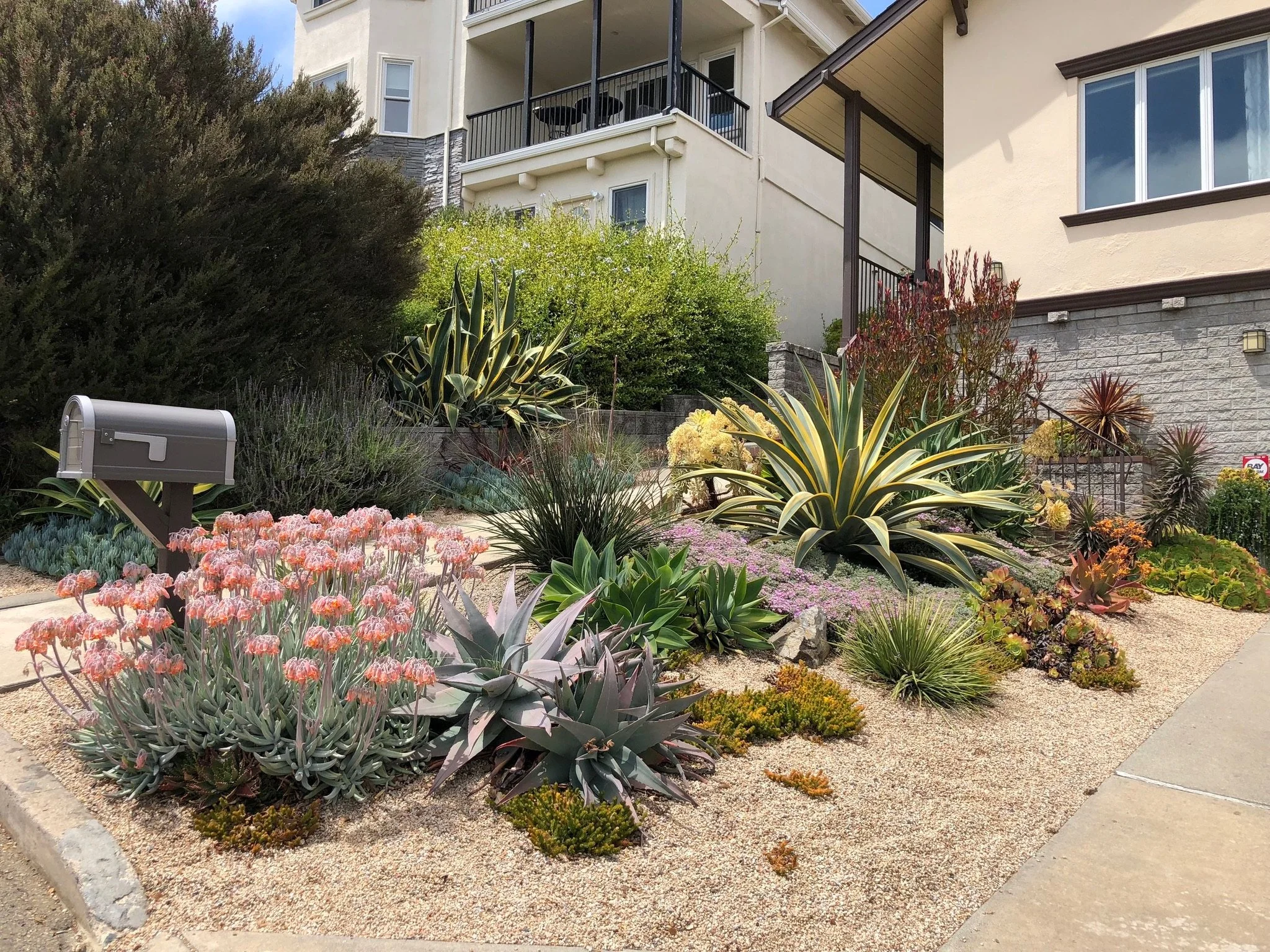
Succulents possess unique biological characteristics that make them naturally fire-resistant. Their thick, fleshy leaves store substantial amounts of water, creating a living barrier with high moisture content. This internal water storage means that succulents are far less likely to ignite than traditional landscaping plants with dry, fibrous tissues. When flames approach, the moisture within succulent tissues acts as a natural fire suppressant, slowing the spread of fire and protecting structures behind them. The higher the water content in plant tissue, the more energy fire requires to advance, making succulents an intelligent choice for fire-prone areas.
Creating Defensible Space
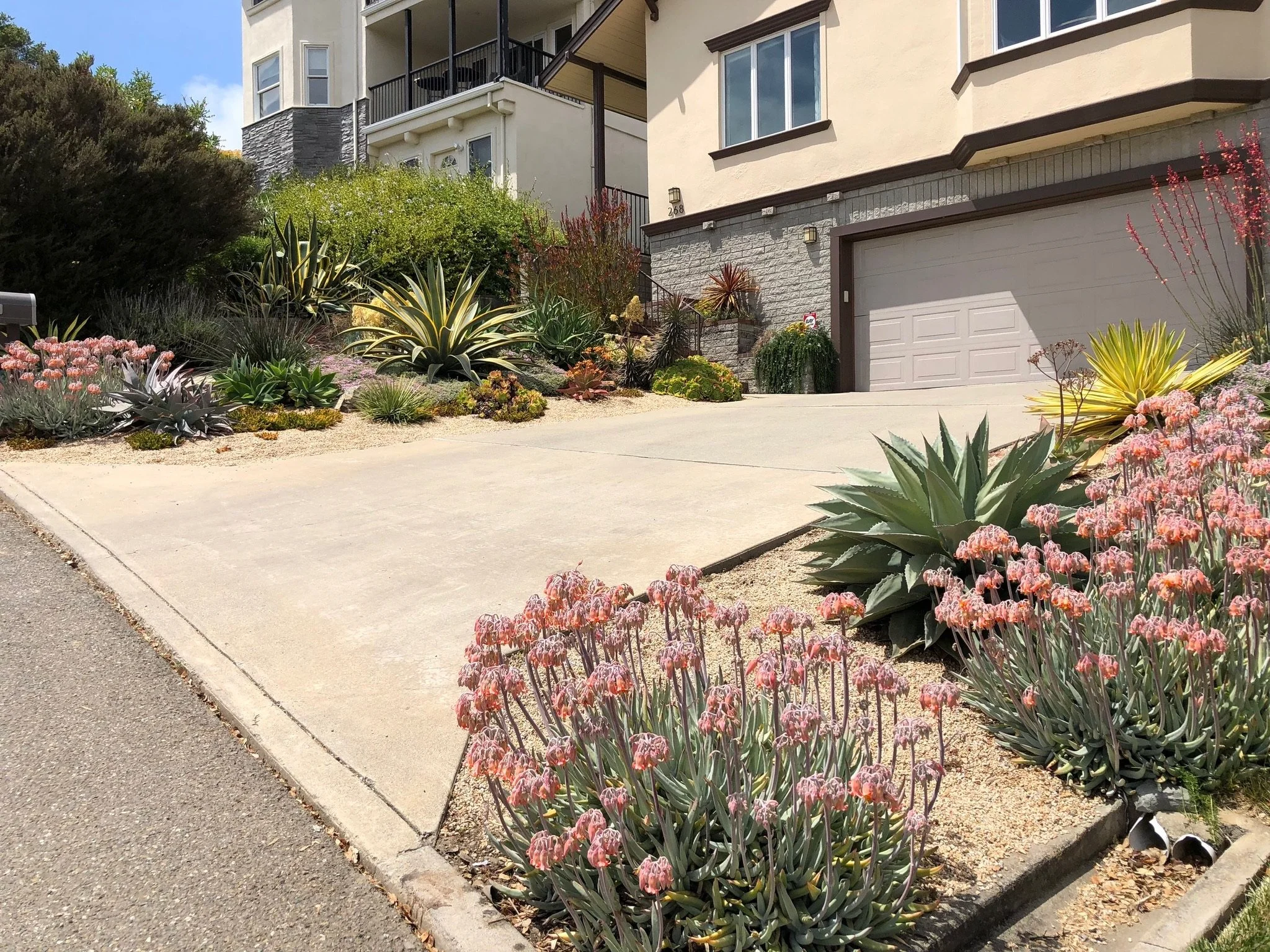
Professional landscaping with succulents creates what fire safety experts call 'defensible space'—zones around your home where vegetation is carefully managed to reduce fire risk. Unlike dense shrubbery or dry grasses that can fuel flames, properly designed succulent gardens provide low-fuel zones that give firefighters room to work and slow the progression of wildfires toward structures. The strategic placement and selection of these plants requires expertise in both horticulture and fire-safe design principles. Creating effective defensible space involves understanding setback distances from structures, proper plant spacing to prevent fire from jumping between plants, and integration with other fire-resistant hardscape elements.
Low Maintenance, High Protection
Beyond their fire-resistant properties, succulents offer practical advantages for homeowners. Their drought tolerance means they require minimal irrigation, which is particularly valuable during drought conditions when water restrictions may be in effect. This reduced water dependency does not compromise their fire-protective qualities. Healthy, well-established succulent landscapes maintain their moisture content even in dry conditions, providing consistent fire resistance throughout the year. Additionally, succulents require less pruning and maintenance than traditional ornamental plants, reducing the accumulation of dry plant debris that can become fuel for fires.
Professional Design Matters
While succulents offer inherent fire-resistant properties, the effectiveness of a fire-safe landscape depends on professional design and installation. Factors such as plant spacing, proximity to structures, terrain considerations, slope management, and integration with hardscaping elements all play crucial roles in maximizing fire protection. Farallon Gardens has the expertise in fire-resistant planning to assess your property's unique characteristics and create a comprehensive strategy that balances safety, sustainability, and visual appeal. Our team understands local fire regulations and can ensure your landscape meets all safety requirements while enhancing your property value.
Beauty Meets Safety
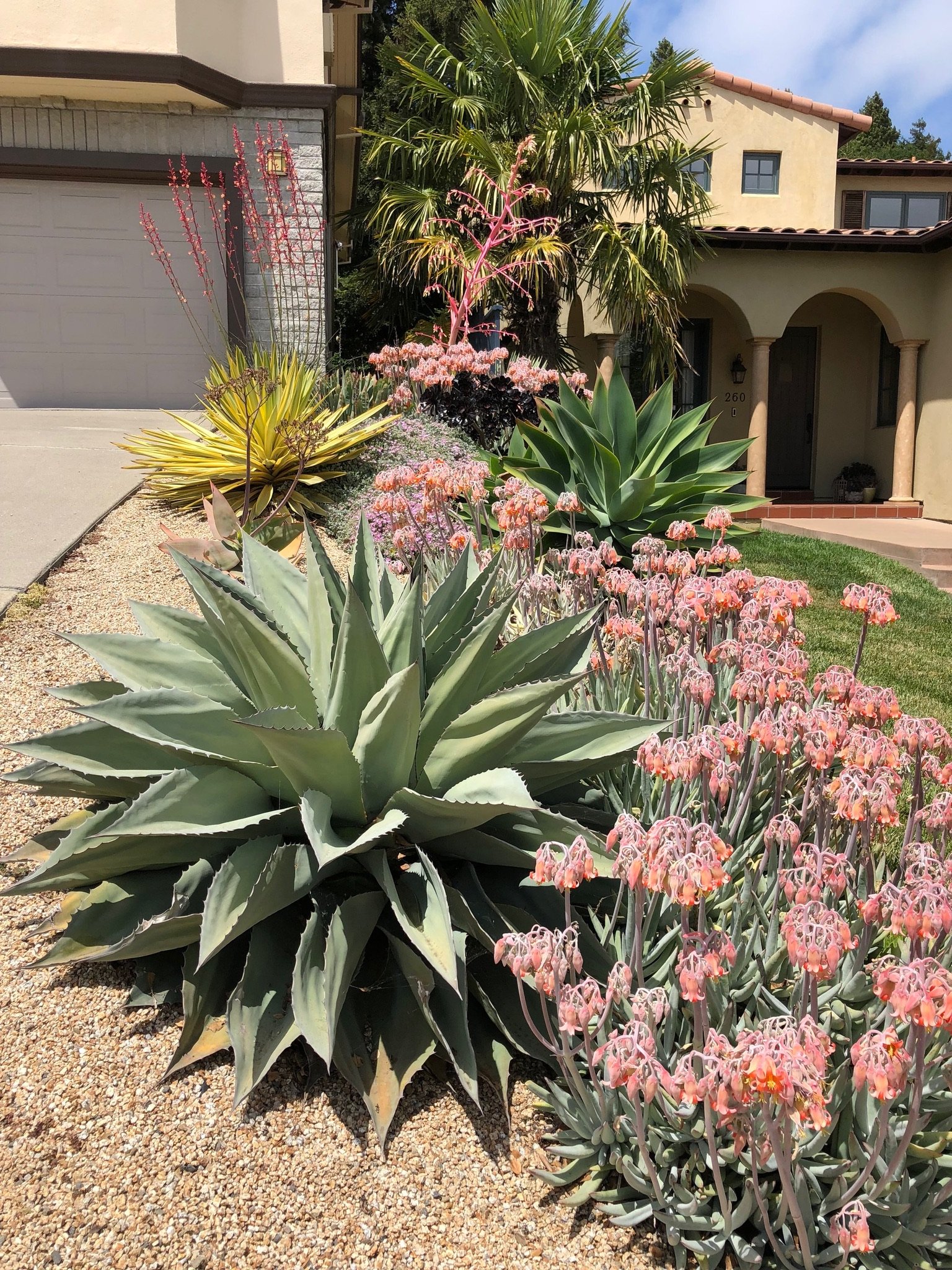
Fire-resistant landscaping does not mean sacrificing curb appeal. Succulent gardens can be remarkably diverse and visually stunning, with varied colors, textures, and forms that create interest throughout the seasons. Professional landscape design ensures that fire safety and aesthetic value work hand in hand, resulting in outdoor spaces that enhance your property's beauty while providing critical protection. From ground covers to architectural specimens, succulents offer endless design possibilities that can complement any home style, from modern to traditional.
Colorful Container Gardens for Added Safety
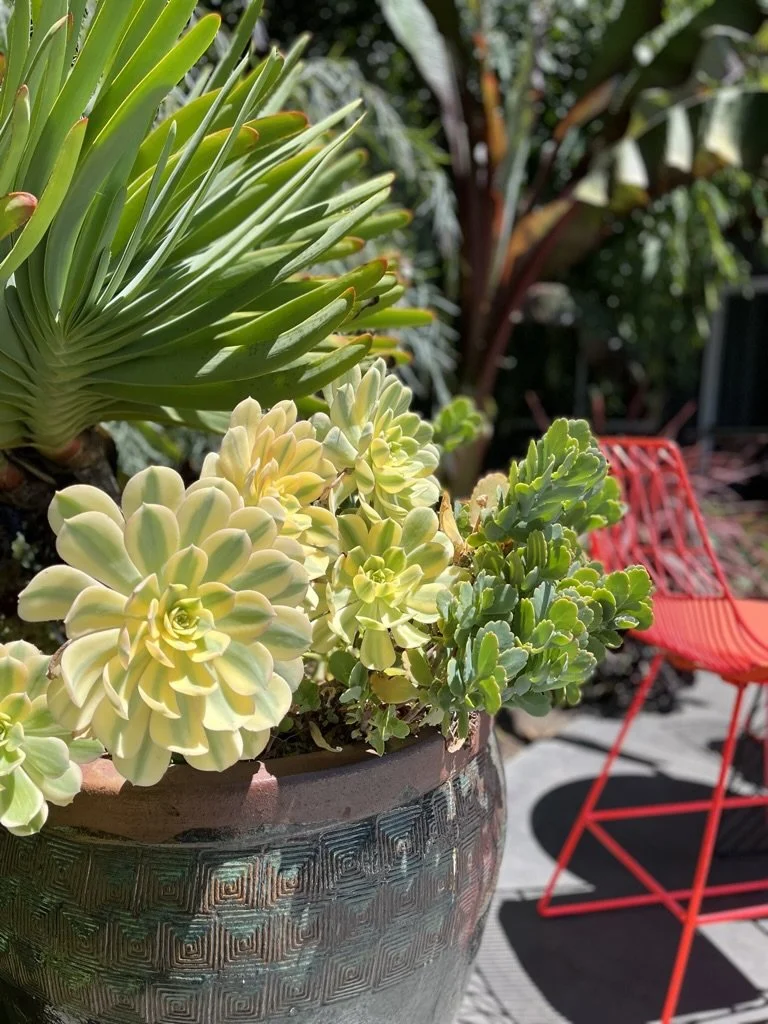
One particularly effective and attractive approach to fire-resistant landscaping involves arranging succulents in colorful containers placed strategically around your property. Container gardens offer multiple benefits for fire safety. Ceramic, terracotta, and metal containers are non-combustible, creating additional barriers between your home and potential fire sources. These containers can be filled with a variety of succulent types, creating eye-catching displays with different heights, textures, and colors. Vibrant pots in blues, terracottas, glazed ceramics, and earth tones can turn functional fire safety into stunning focal points on patios, decks, and near entryways. Container arrangements also allow for easy repositioning based on seasonal fire risk and provide flexibility in creating defensible zones around vulnerable areas of your property.
Transforming Your Yard into a Living Work of Art
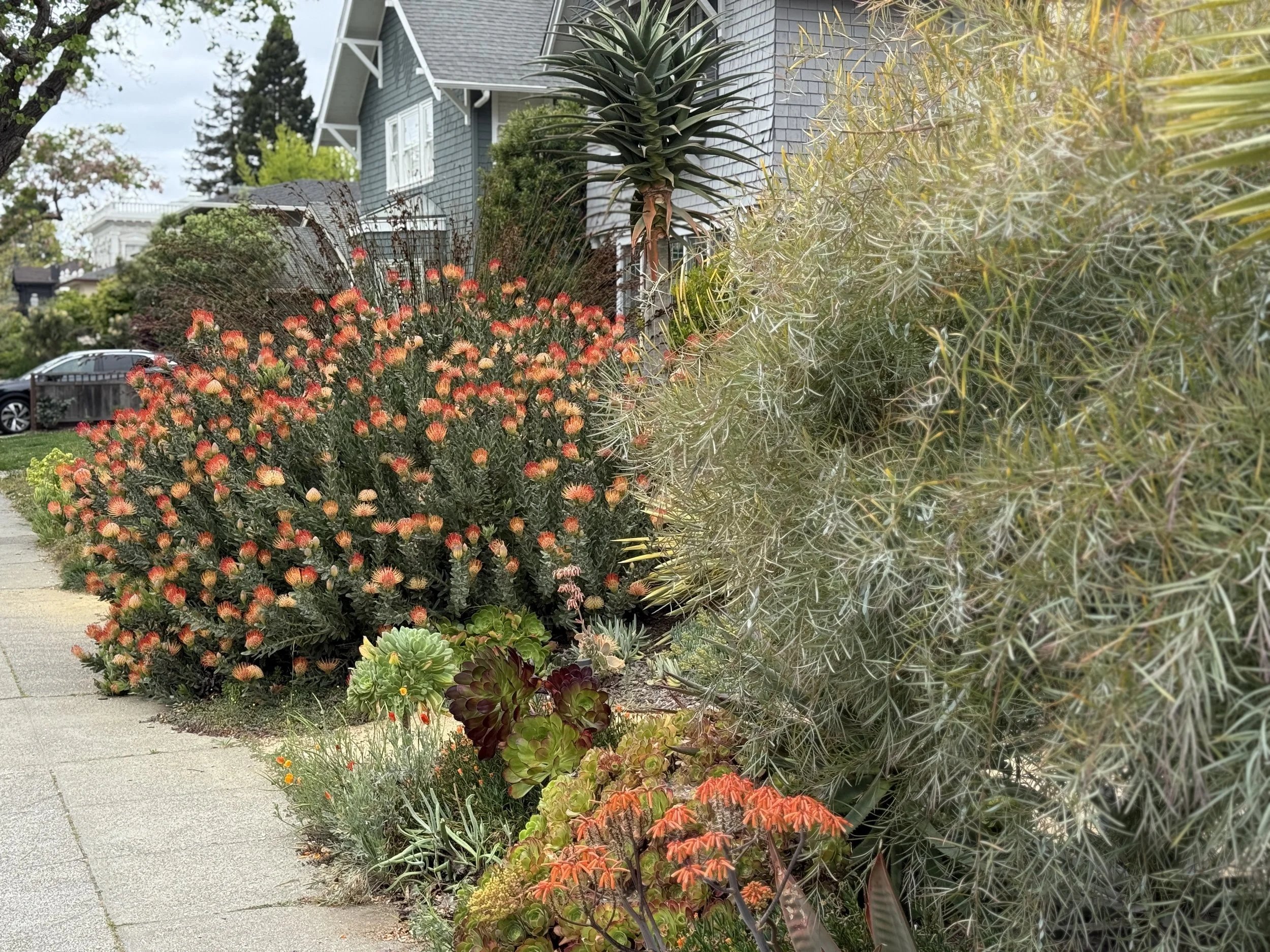
Farallon Gardens specializes in transforming ordinary yards into extraordinary living works of art using the diverse palette of succulents available. Imagine your property featuring sweeping beds of varied textures and colors, artfully arranged to create visual interest while maintaining critical fire breaks. From silvery-blue rosettes to deep burgundy foliage, from architectural vertical forms to cascading ground covers, succulents offer an artist's palette of shapes and hues. Our designers carefully compose these elements to create landscapes that are not merely functional fire barriers, but captivating outdoor spaces that enhance your property's character and value. The result is a yard that serves as both a protective shield and a stunning canvas that evolves with the seasons, providing year-round beauty while keeping your home safe.
Protecting Your Bay Area Home
Every property in the Bay Area has unique fire safety needs based on location, topography, existing vegetation, and local climate conditions. At Farallon Gardens, our experienced team specializes in designing and installing fire-resistant landscapes that provide maximum protection tailored to your specific situation. We understand the science behind fire-safe landscaping and have the expertise to transform your outdoor space into a beautiful, low-maintenance barrier against wildfire risk.
Do not wait until fire season to think about protecting your home. Contact Farallon Gardens today at info@farallongardens.com to schedule a consultation. Our landscape professionals will evaluate your property, discuss your concerns, and develop a customized fire-resistant landscaping plan that gives you confidence and peace of mind.
Berkeley EMBER Law: Transforming Your Landscape for Fire Safety 🔥
Berkeley's new EMBER ordinance is fundamentally changing how hillside homeowners must approach their landscaping. For properties in the Grizzly Peak and Panoramic Hill areas, the law requires complete transformation of the five-foot zone immediately surrounding all structures. This guide will help you understand exactly what landscaping changes are required and what alternatives are available.
Understanding Zone 0: The Five-Foot Rule
Zone 0 is the most critical area for wildfire protection. This five-foot perimeter extends from the exterior walls of your home, garage, deck, shed, and any other structures on your property. During wind-driven wildfires, embers can travel miles ahead of the main fire. When these embers land near a home and find combustible materials within five feet, they can ignite secondary fires that spread from structure to structure faster than firefighters can respond.
What Must Be Removed from Zone 0
All in-ground plants must be removed, including ornamental grasses, perennial flowers, shrubs, ground covers, and succulents planted in soil. Climbing vines that touch your home or structures are prohibited. Combustible mulches like wood chips, bark mulch, and pine needles must be replaced. Wooden fences or gates that attach to your house, wooden planter boxes against your foundation, and timber retaining walls within five feet must all be removed or replaced with non-combustible alternatives. Firewood and lumber storage must be relocated beyond the five-foot zone.
What You Can Have in Zone 0
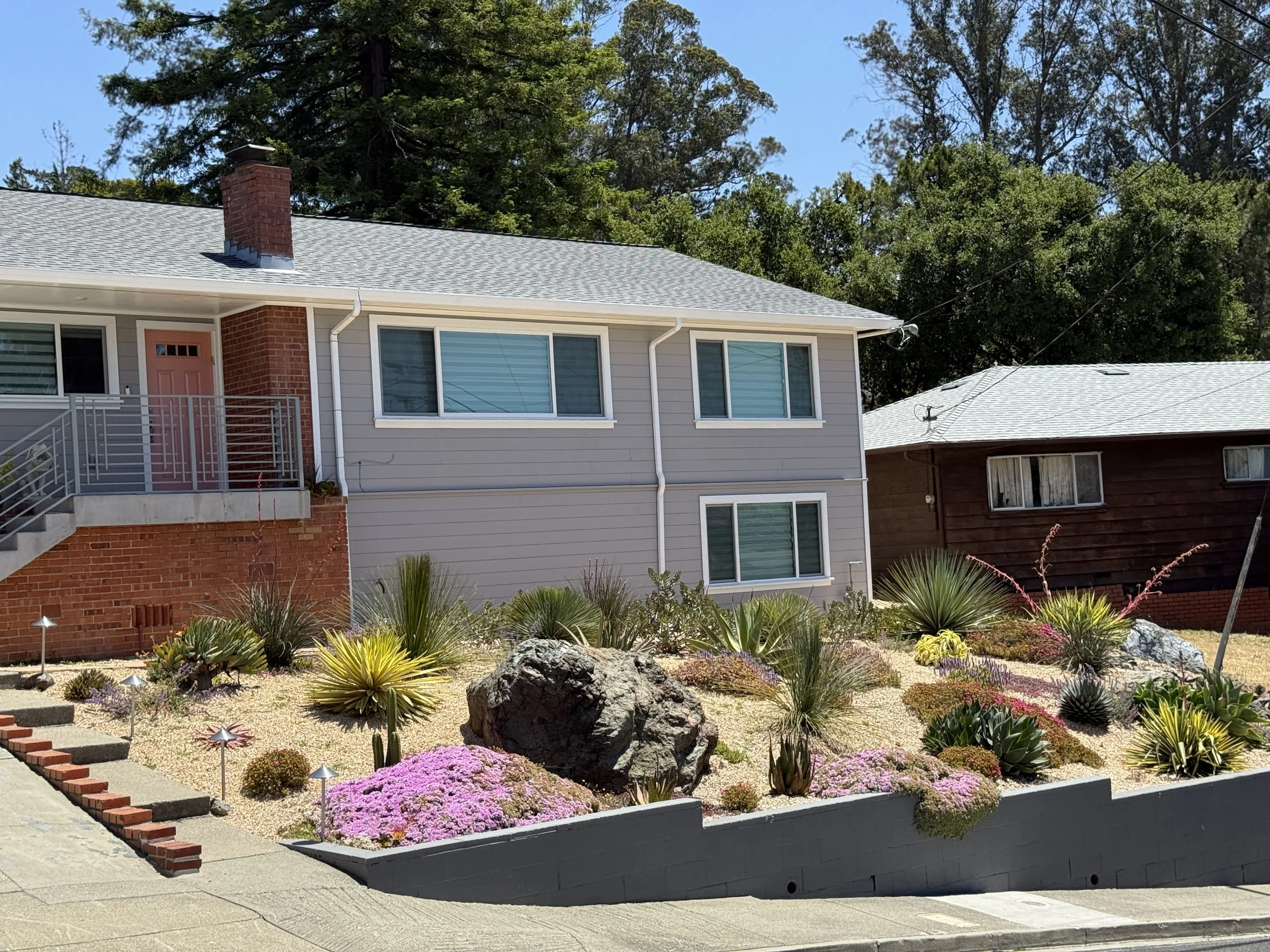
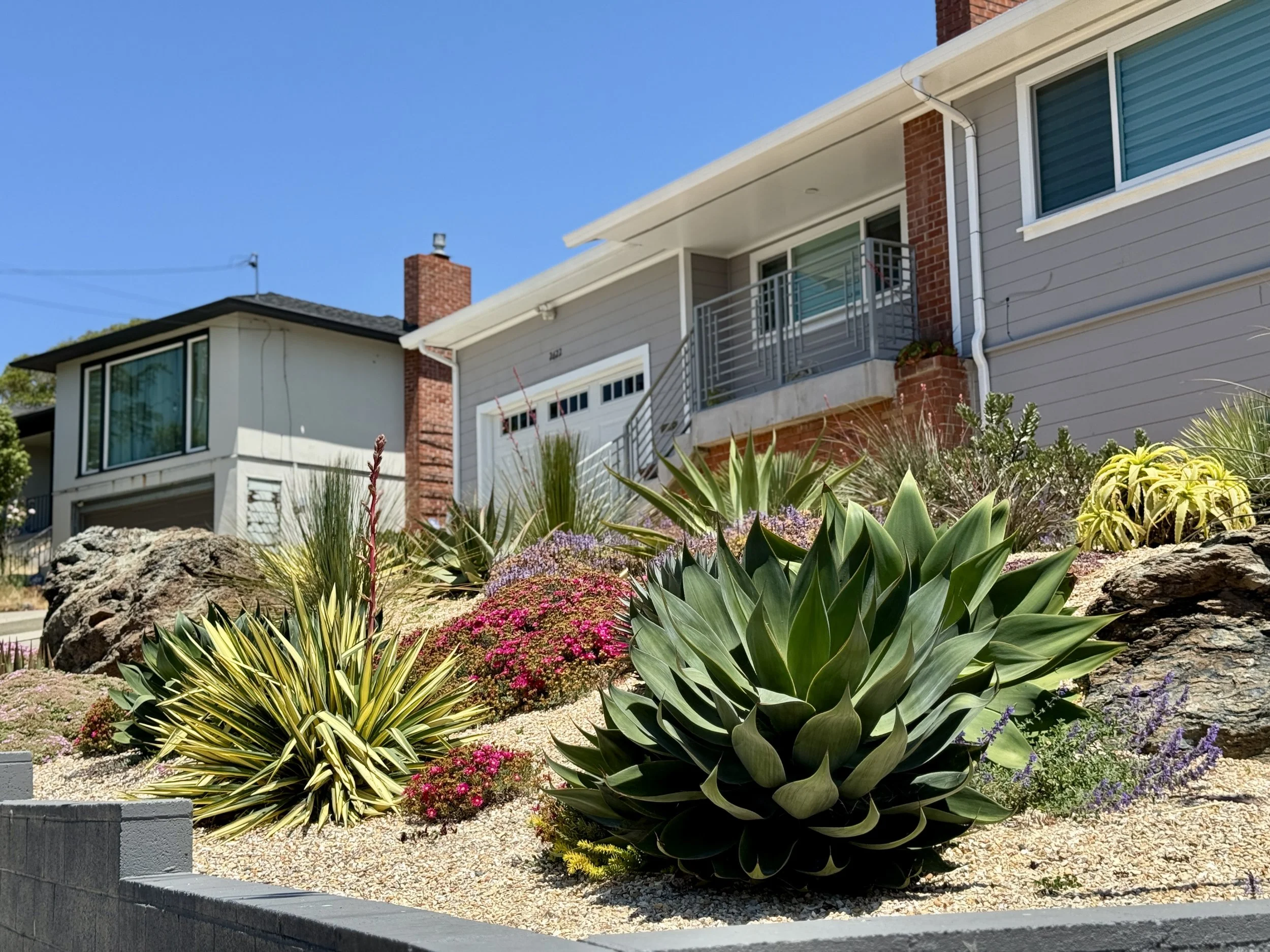
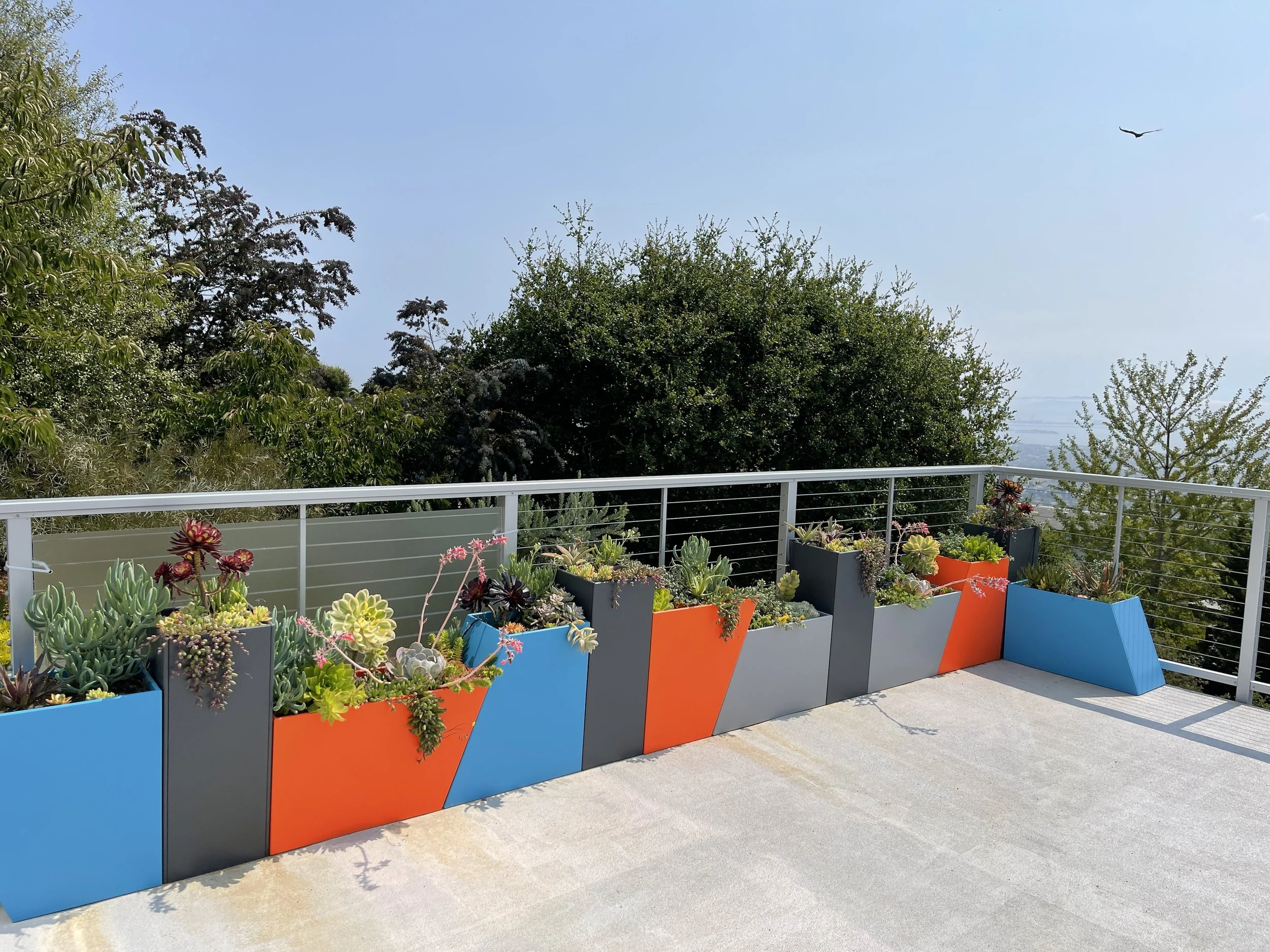
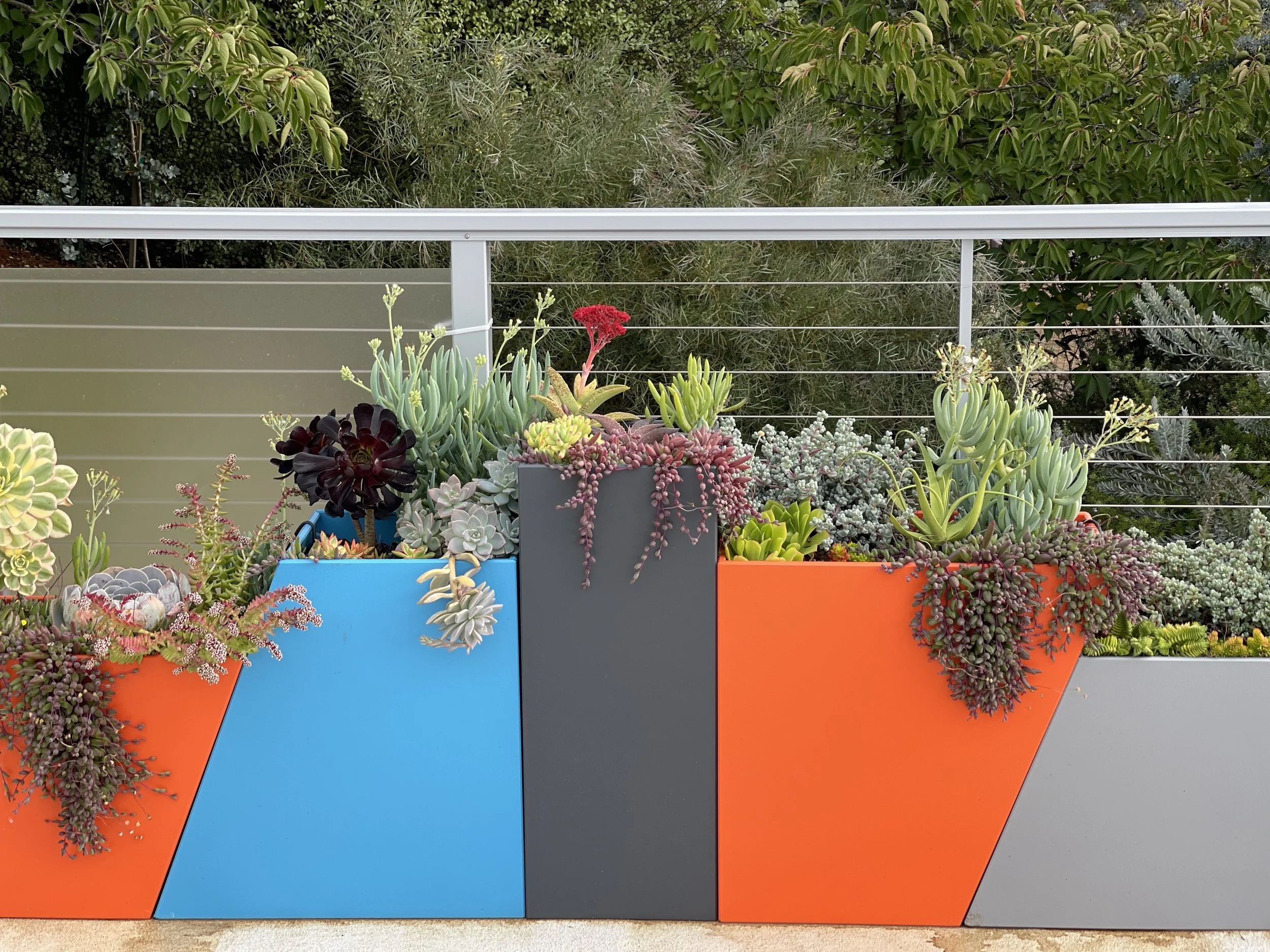
Hardscaping materials form the foundation of your Zone 0 landscape. Gravel in various colors and sizes, decomposed granite, river rocks, decorative stones, concrete pavers, flagstone, slate tiles, brick pavers, and poured concrete pathways are all compliant. Container plants are allowed in non-combustible pots made of ceramic, concrete, metal, or terra cotta. Plants must be well-watered and positioned so canopies don't touch your home's exterior walls. Existing tree trunks may remain if their canopies are pruned to clear your roof by at least 10 feet. Fencing must be non-combustible metal or masonry and cannot be attached to your home.
Design Strategies for Beautiful Compliant Landscapes
Creating an attractive Zone 0 landscape requires thoughtful design expertise. At Farallon Gardens, we understand how to create visually appealing fire-safe landscapes using layered hardscaping, varied materials, strategic container placement, and thoughtful color and texture combinations. Our designers work with you to develop a custom plan that creates beauty within the constraints of fire safety and establishes smooth transitions from the compliant zone to the rest of your property.
Plant Selection for Container Gardens
Farallon Gardens specializes in container garden design for fire-safe landscapes. We have extensive knowledge of plants that thrive in containers and tolerate Berkeley's Mediterranean climate. Our team selects appropriate combinations of low-water options, plants with high moisture content, fire-resistant varieties, and specimens that provide year-round visual interest. We create container gardens that are both beautiful and compliant with EMBER requirements.
Maintaining Your Zone 0 Landscape
The Berkeley Fire Department conducts annual inspections, so proper maintenance is essential for continued compliance. Farallon Gardens offers comprehensive maintenance services to keep your Zone 0 landscape inspection-ready year-round. Our maintenance program includes blowing all hard surfaces, removing leaves and debris from hardscaped areas, installing and maintaining automated smart irrigation systems to maintain high moisture content, pruning plants to prevent growth from touching your home, removing dead flowers and foliage promptly, replenishing gravel as it settles, and maintaining the required 10-foot clearance between tree canopies and your roof.
Addressing Common Challenges
Berkeley's hillside properties present unique challenges. For steep slopes, terracing with stone or concrete retaining walls creates level areas while providing structural support. Privacy concerns when removing screening vegetation can be addressed with non-combustible metal or masonry fencing, or mobile privacy screens using large container plants. We select deer-resistant species if deer pressure is severe. For shaded areas, we choose shade-tolerant options that will thrive in lower light conditions.
Working with Landscape Professionals
EMBER compliance requires specialized knowledge of fire-safe landscaping, Berkeley's unique hillside challenges, and the specific requirements of the ordinance. With over 20 years of experience serving east bay communities, Farallon Gardens is fully licensed and insured, and we specialize in EMBER compliance transformations for hillside properties.
Since the EMBER law went into effect in January 2026, annual inspections are now underway, making professional compliance more important than ever.
At Farallon Gardens, we provide comprehensive EMBER compliance services from initial consultation to project completion. Our team handles every aspect of your Zone 0 transformation—site assessment, custom design, plant removal, hardscaping installation, container garden creation, and ongoing maintenance planning. We understand Berkeley's hillside challenges and work with you to create fire-safe landscapes that are both beautiful and fully compliant.
Timeline and Compliance
The EMBER ordinance went into effect January 1, 2026, for properties in designated high-risk zones. If you haven't yet achieved compliance, it's important to act now. Homeowners should confirm their property's status using city fire zone maps, measure and document current Zone 0 areas, and begin the transformation process immediately. Annual inspections are now underway, and professional installation ensures your property meets all requirements without the stress of managing the project yourself.
Moving Forward
EMBER compliance protects not just your property but your entire neighborhood. When every home in a high-risk zone has properly maintained Zone 0, the community becomes dramatically more resilient against wildfire. Your landscaping transformation is an investment in safety, community resilience, and the long-term viability of hillside living in Berkeley. With thoughtful design, quality materials, and appropriate plant selection, Zone 0 becomes an attractive outdoor space rather than a regulatory burden.
We know these tasks seem daunting, but Farallon Gardens will do all the heavy lifting to ensure your property is EMBER compliant. To schedule a consultation, contact us today at info@farallongardens.com.