Bay Area Microclimates: Why Your Neighbor’s Garden Looks Different From Yours
The San Francisco Bay Area contains one of the most complex networks of microclimates on the planet. Within a single county—sometimes within a single mile—temperatures, humidity, fog frequency, wind exposure, and soil moisture can vary dramatically. These variables are not incidental. They are the primary drivers of plant performance, and they are the first thing Farallon Gardens evaluates before recommending a single species or placing a single plant.
Understanding why these microclimates exist, and how they translate into design and plant selection decisions, is foundational to professional landscape practice in this region.
The Mechanics Behind Bay Area Microclimates
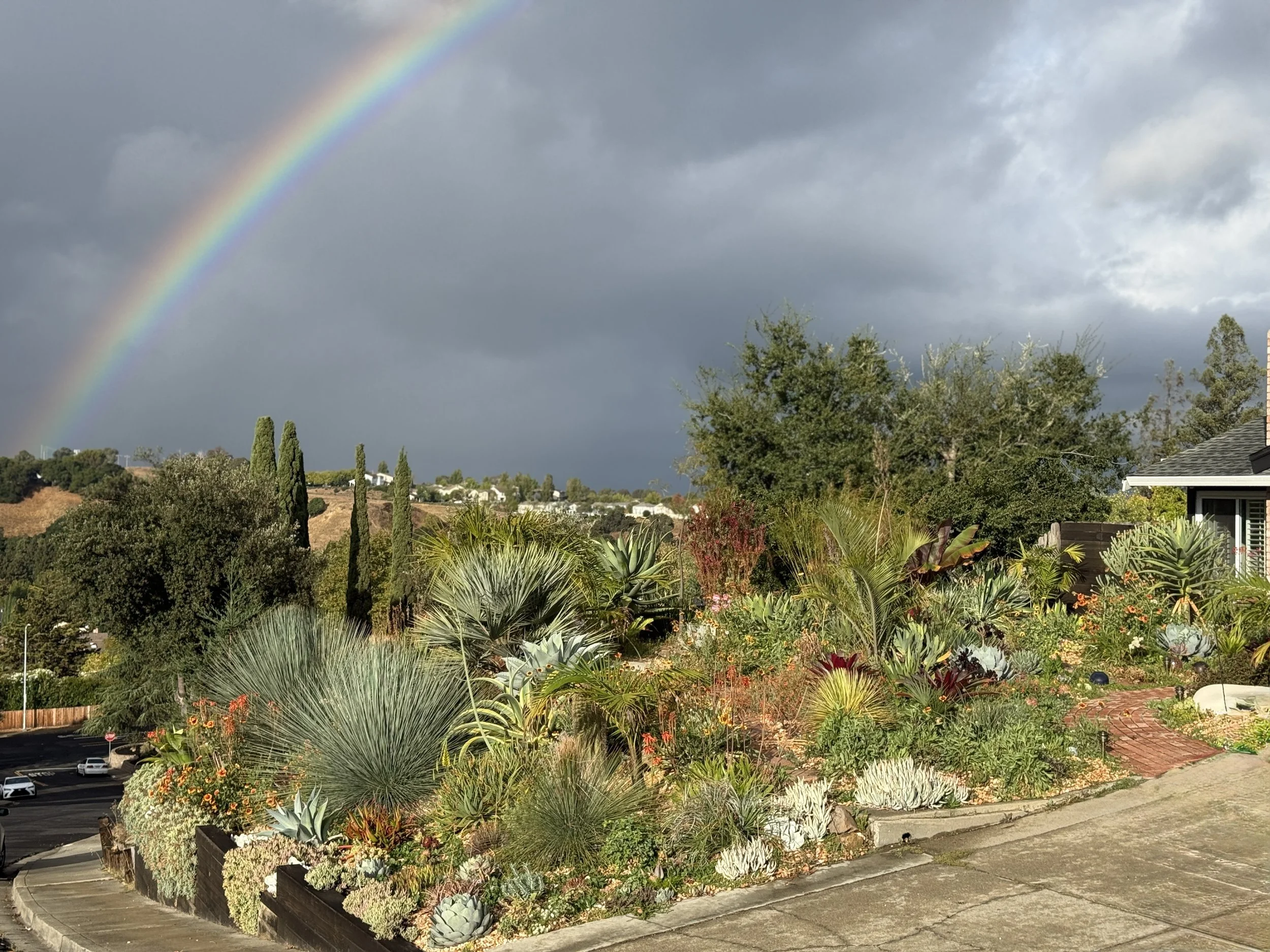
The Bay Area’s climatic complexity is a product of geography. The Pacific Ocean sits immediately to the west, generating cold, moist marine air year-round. The Coast Range and, further inland, the Diablo Range and Sierra Nevada, create a series of barriers and passes that control how that marine air moves through the region. Gaps like the Golden Gate, the Carquinez Strait, and the Altamont Pass act as funnels, pulling cold fog and marine air deep into the interior during summer months.
The result is a region where inland valleys regularly reach 100°F on summer afternoons while coastal neighborhoods simultaneously sit at 58°F under dense fog. The thermal gradient is not gradual—it is abrupt, and it changes on a seasonal and even daily basis. Morning fog burns off in some neighborhoods by 10 a.m. In others, it persists through the entire day from June through September.
Elevation compounds these patterns. Hillside properties gain or lose elevation rapidly over short horizontal distances. Cold air is denser than warm air and drains downslope at night, pooling in low-lying areas and frost pockets. A property at 800 feet elevation may experience frost events that a property 200 feet lower and half a mile away never encounters. These elevation-driven temperature inversions are a persistent feature of hillside sites throughout Marin, the East Bay hills, and the Peninsula.
The Five Core Microclimate Zones
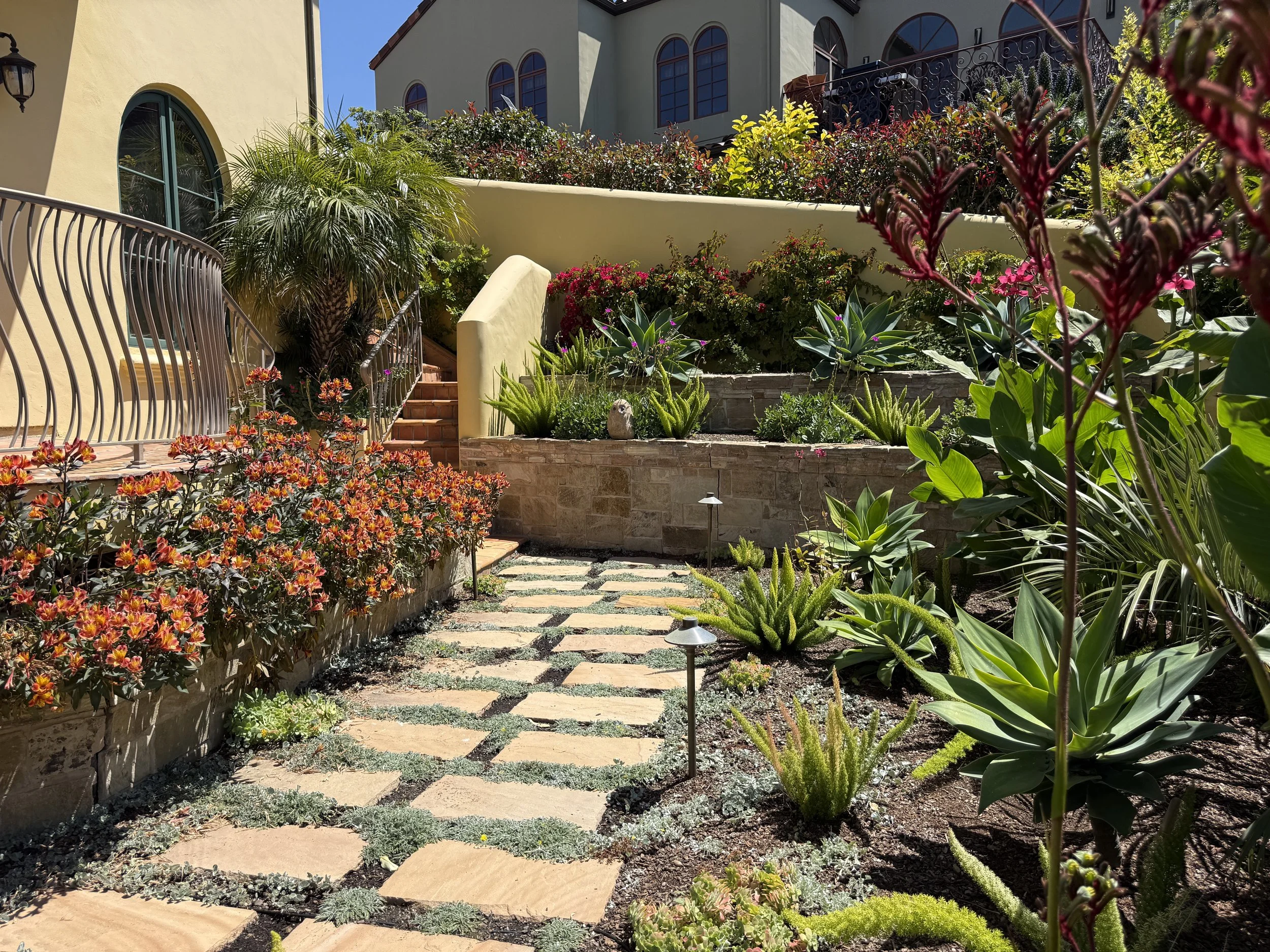
While the Bay Area contains hundreds of distinct microclimatic variations, professional practice groups them into five broad zones for the purpose of landscape design.
The Coastal Zone covers properties directly exposed to marine influence: oceanfront parcels, west-facing slopes in Marin and San Francisco, and sites within two to three miles of open water. These gardens experience persistent summer fog, rarely exceed 75°F, and almost never face frost. Wind exposure is the dominant design challenge. Evergreen coastal scrub species—those adapted to salt spray, desiccating wind, and cool temperatures—perform reliably here. Many Mediterranean and inland California natives planted in this zone fail not because of cold, but because summer warmth is insufficient for reproductive maturity and full expression of drought-adaptive physiology.
The Fog Belt Transition Zone encompasses much of San Francisco, the western slopes of the Berkeley and Oakland hills, and coastal communities from Pacifica through Daly City. Marine influence is substantial but not total. Fog is common in summer but breaks more frequently than the coastal zone. Maximum temperatures are modestly higher. This zone is where a wider palette of Mediterranean-basin species begins to perform reliably, though heat-demanding taxa—bougainvillea, citrus, certain lavenders—remain unreliable without south-facing exposure and reflected heat from hardscape.
The Bay-Influenced Zone covers much of the urban core: central San Francisco, Oakland, Berkeley flats, and communities immediately surrounding the bay. The large water mass of the bay moderates temperature extremes in both directions, suppressing frost and limiting summer heat spikes. This is one of the most plant-diverse zones in the region. A broad range of Mediterranean-climate species from California, the Mediterranean Basin, South Africa, Chile, and Australia perform well here. Frost sensitivity is rarely a limiting factor, though humidity and poor air circulation can increase foliar disease pressure in susceptible taxa.
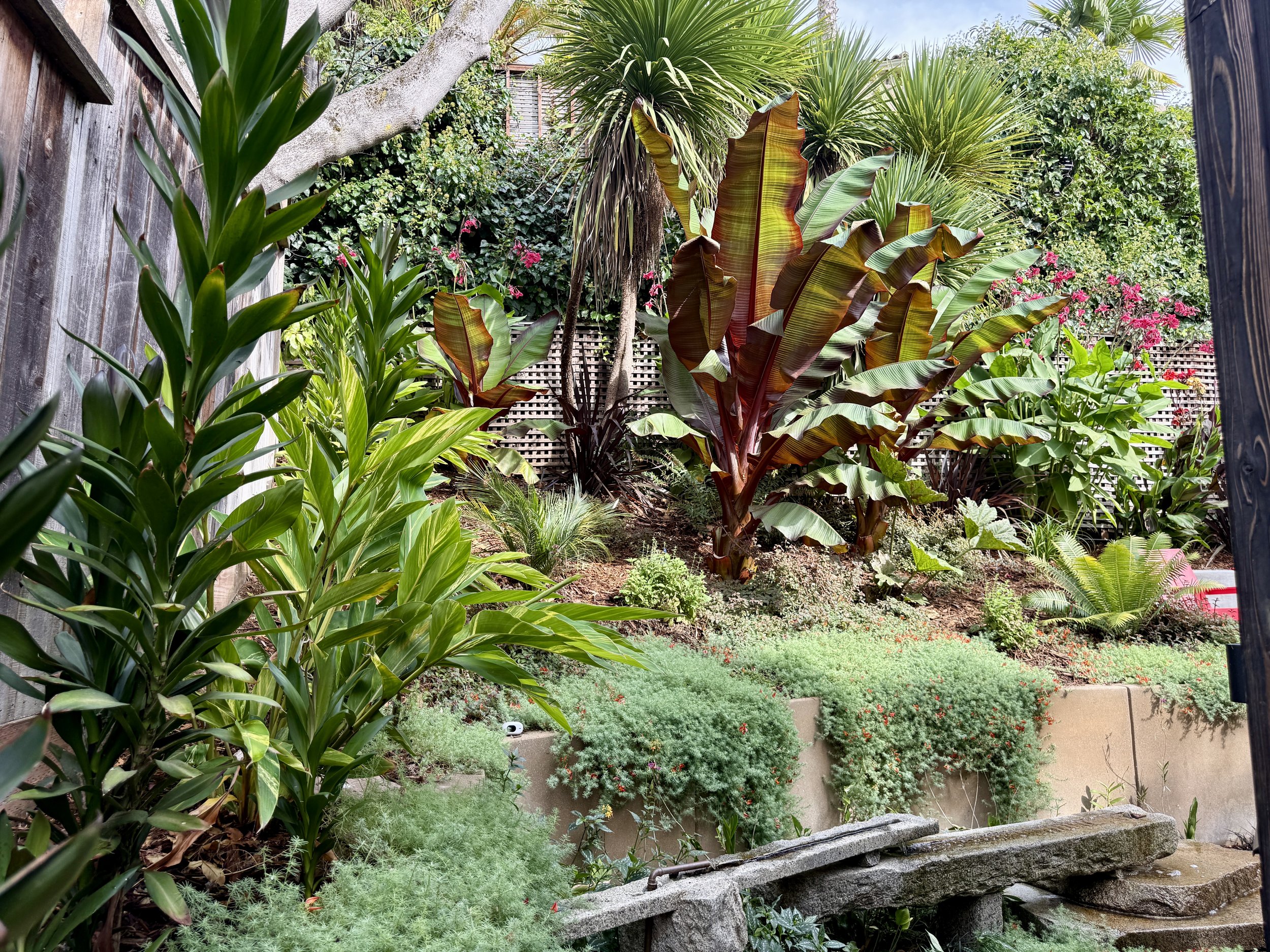
The Inland Valley Zone includes the Napa and Sonoma valleys, the Livermore Valley, Walnut Creek, Concord, and similar communities east and north of the primary coastal ranges. Summer heat is substantial—100°F events occur regularly—and cold air drainage creates frost risk in winter. This zone demands species with demonstrated heat tolerance and, equally important, the root system architecture to maintain soil moisture access during extended summer drought. Clay soils are common, creating drainage challenges that must be addressed in design. Plants that fail in this zone typically do so not from temperature extremes but from a combination of summer heat and inadequate soil drainage.
The Hill and Ridge Zone applies to elevated sites across Marin, the East Bay hills, and the Santa Cruz Mountains. These sites are defined by exposure: wind is persistent, soils are often shallow and rocky, and solar radiation is intense due to limited canopy and frequent clear skies above the fog layer. Drainage is rarely a problem, but moisture retention is. Root architecture, drought-adaptive morphology, and wind tolerance are the critical selection criteria here. Many popular ornamental species that perform well in sheltered valley gardens fail on exposed ridgelines within five years, not from dramatic climate events but from chronic moisture stress compounded by wind desiccation.
How Microclimate Analysis Shapes Design Decisions
Farallon Gardens begins every project with a site assessment that establishes the microclimate profile of the property. This is not a general characterization—it is a specific inventory of sun exposure by season, prevailing wind direction and intensity, frost pocket locations, drainage patterns, soil type and depth, and proximity to marine influence. These factors are documented before any design work begins.
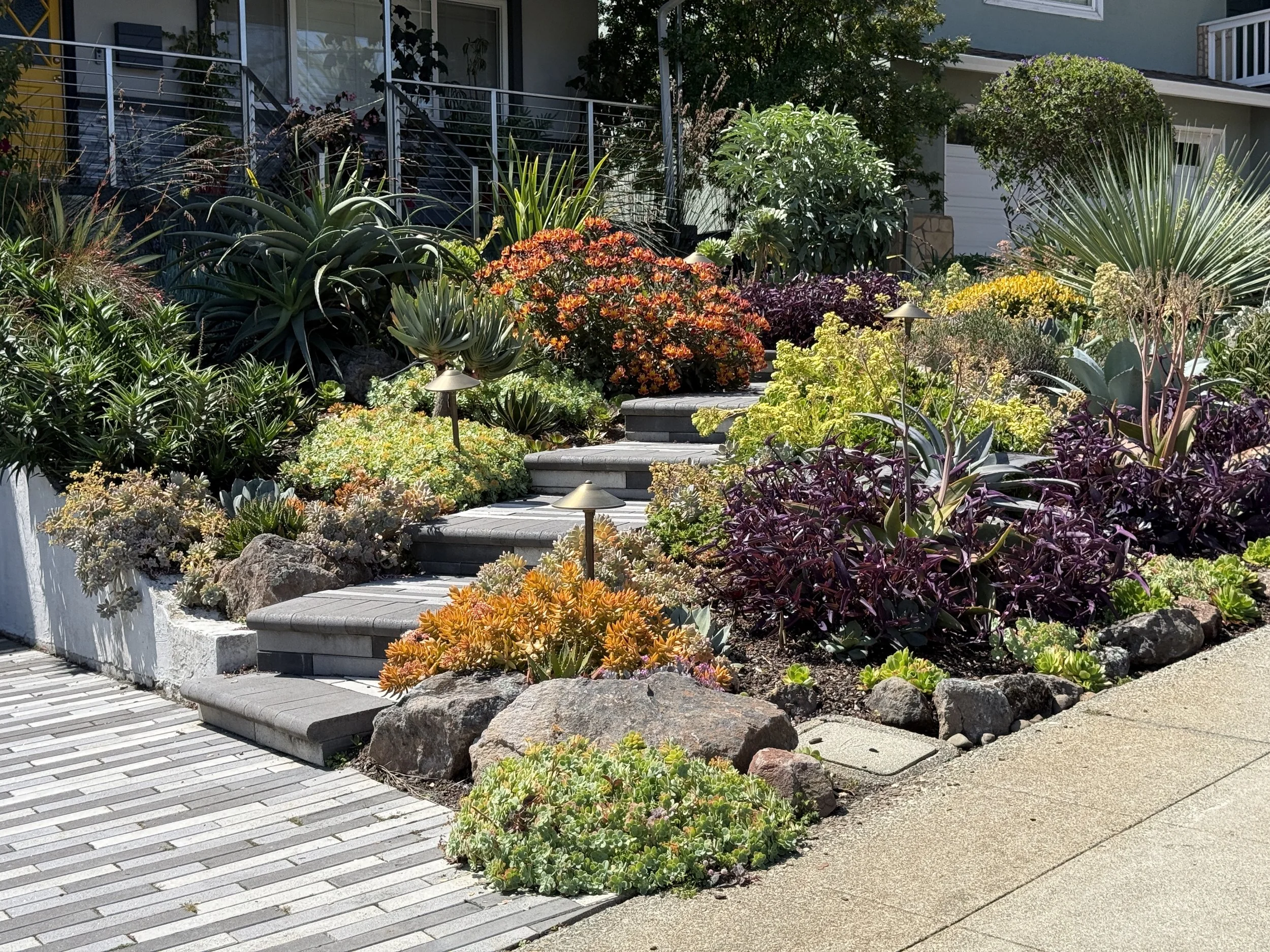
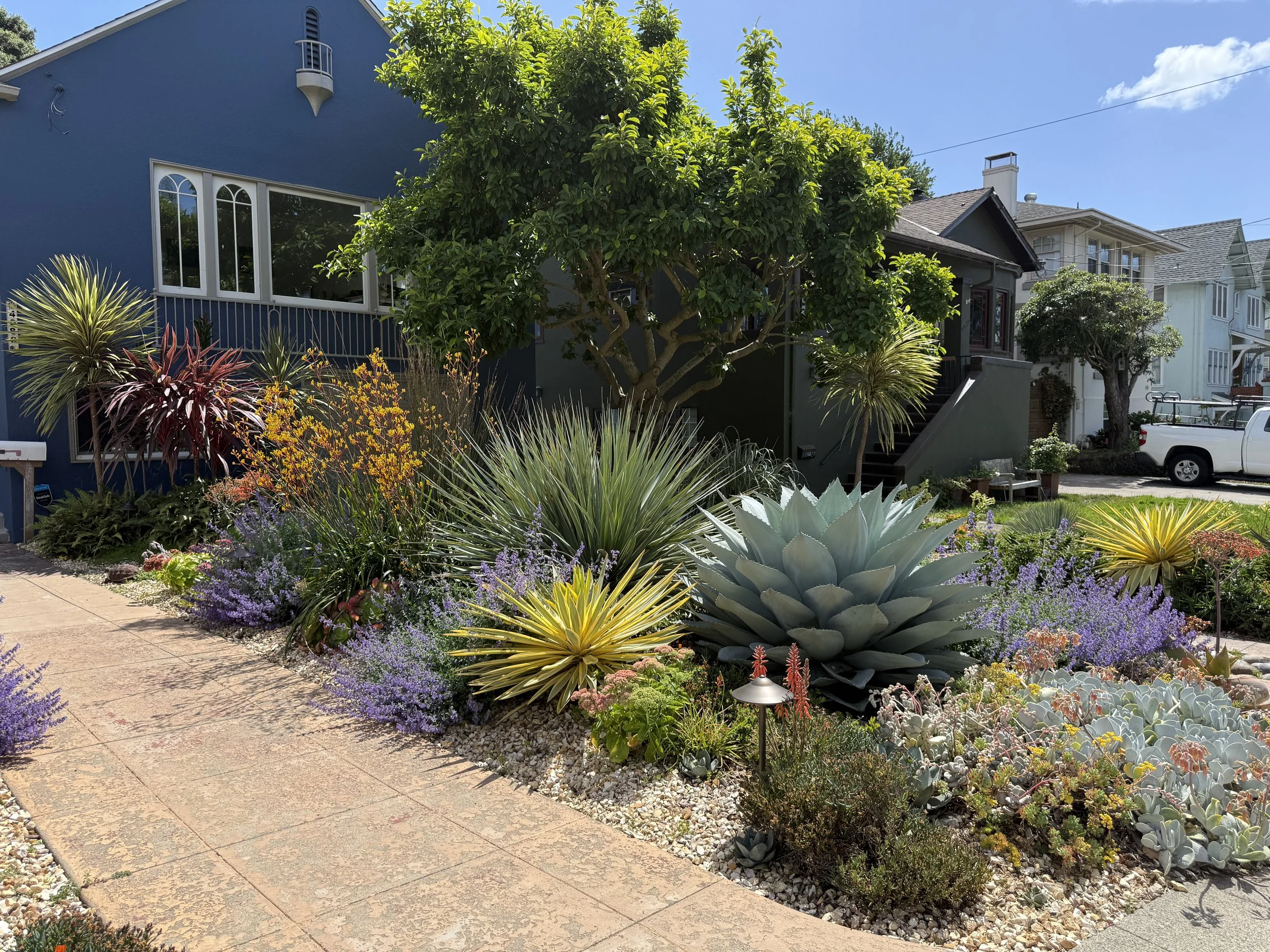
The practical consequences of this analysis are significant. On a single residential property, it is common to identify two or three distinct microclimatic sub-zones based on aspect, proximity to walls and hardscape, tree canopy coverage, and slope orientation. A south-facing patio wall creates a warm, reflective microclimate where heat-loving species thrive. The north-facing slope twelve feet behind that same house may require shade-tolerant, moisture-retentive species. Treating the entire property as a single uniform environment is a reliable path to plant failure.
Aspect—the direction a slope faces—is particularly consequential in the Bay Area. South- and west-facing slopes receive substantially more solar radiation than north- and east-facing slopes. In summer, this differential is amplified by the position of the sun and the duration of direct exposure. A west-facing hillside garden may require irrigation twice what a comparable north-facing garden requires, even when the two sites are on the same property. Plant selection for these two aspects should be approached as two separate plant palettes.
Soil thermal mass is another variable that microclimate analysis must address. Rocky, thin soils on exposed slopes heat and cool rapidly. Deep loam soils in valley gardens moderate temperature fluctuations and retain more moisture. These differences affect not only what will grow but when species bloom, when they require supplemental irrigation, and how they respond to the late-season heat events that characterize Bay Area autumns.
Water Use Classification and Microclimate Alignment
Plant water requirements cannot be evaluated in isolation from site microclimate. Water Use Classification of Landscape Species (WUCOLS), the California Department of Water Resources’ regional classification system, assigns irrigation need categories to thousands of landscape plants, but these classifications are regionally adjusted—and the Bay Area’s regional zones reflect exactly the microclimate variation described above.
A species classified as “low water” in the North Coast region may perform as a moderate-water plant when installed on an exposed south-facing slope in the Inland Valley zone. Conversely, a moderate-water species in that same classification may function with minimal supplemental irrigation when installed in a cool, fog-influenced coastal garden with deep loam soil. The WUCOLS classification is a starting point, not a prescription. Translating that classification into actual irrigation programming requires site-specific microclimate assessment.
This is where professional expertise translates directly into long-term plant performance and reduced water consumption. Matching plant water requirements precisely to site microclimate—rather than applying uniform irrigation across a property—is both an agronomic best practice and a water conservation strategy. Hydrozone design, which groups plants by water need and microclimate within distinct irrigation zones, is the implementation mechanism, and it requires detailed microclimate data to execute correctly.
The Long View
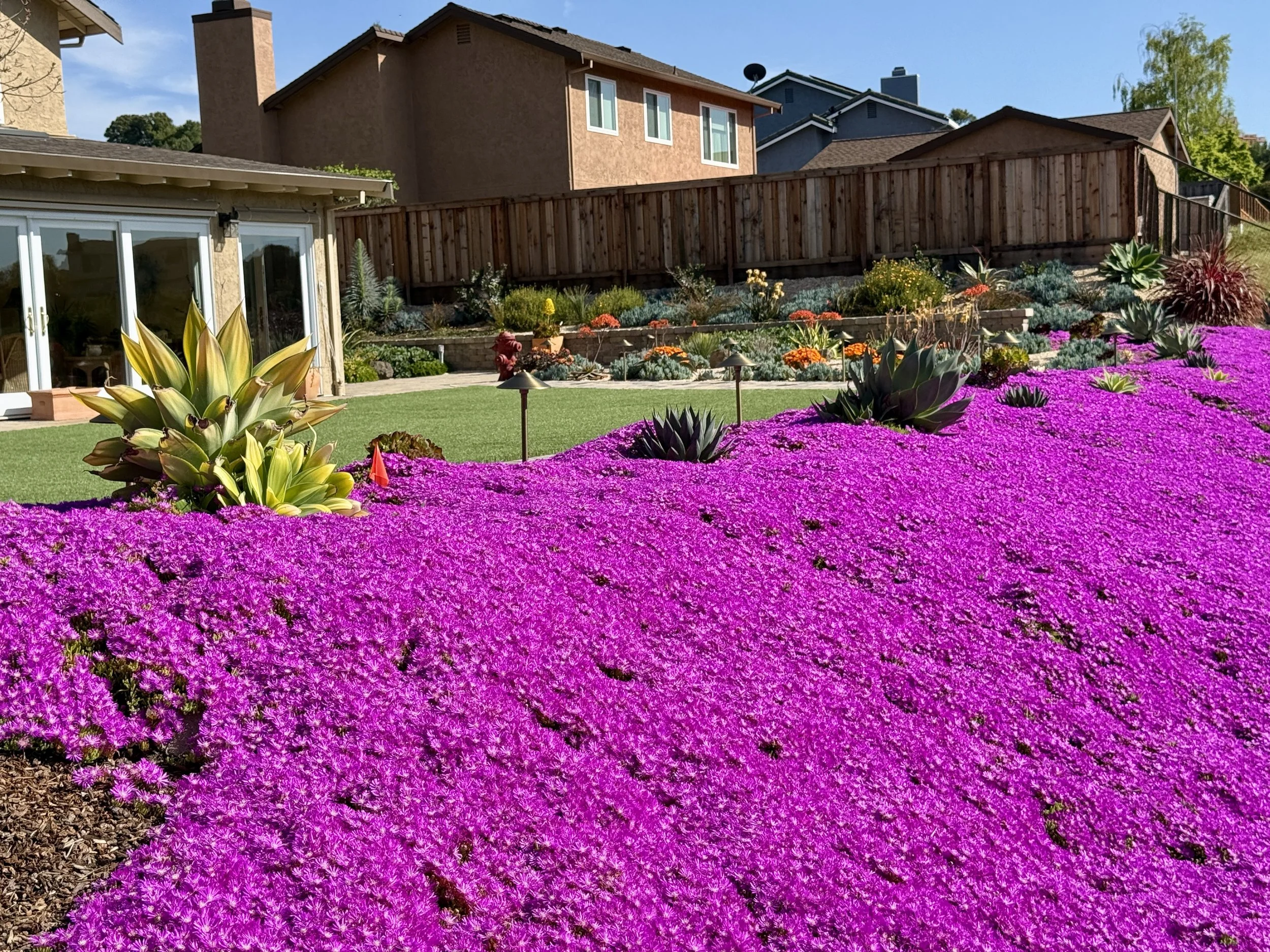
The Bay Area’s microclimate complexity is not a complication to be worked around. It is the defining characteristic of the region’s extraordinary plant diversity. The same geography that produces marine fog layers, inland heat events, frost pockets, and exposed ridgelines also produces the climatic range that allows a skilled designer to work with an unusually broad palette of species from around the world—California natives, Mediterranean-basin perennials, South African bulbs, New Zealand shrubs, and Australian groundcovers—within a single metropolitan region.
The discipline is in reading the site correctly before making those selections. Plants installed without regard to microclimate do not fail immediately. They often perform adequately for two or three seasons before declining, by which time the root cause has become difficult to diagnose. Correct microclimate analysis at the design stage is not an abstract exercise in botanical rigor. It is the reason professionally designed landscapes continue to perform fifteen and twenty years after installation, while informally assembled gardens require repeated replacement.
Contact us at info@farallongardens.com to schedule a site assessment. farallongardens.com
Botanically Driven - Distinct by Design. We love your garden.