Transform Your Bay Area Garden Into a Living Sanctuary for Pollinators
A functional pollinator garden is the product of informed plant selection, site analysis, and an understanding of how local ecology functions or operates. A garden that genuinely supports pollinators is built on knowledge of the plants, the insects, the soil, and the climate.
Farallon Gardens brings together botanical knowledge, a refined aesthetic, and design experience to build Bay Area gardens that perform as genuine pollinator habitat. Our work is grounded in the specific conditions of this region—its climate, its native insect fauna, its soils, and the plant communities best suited to support them.

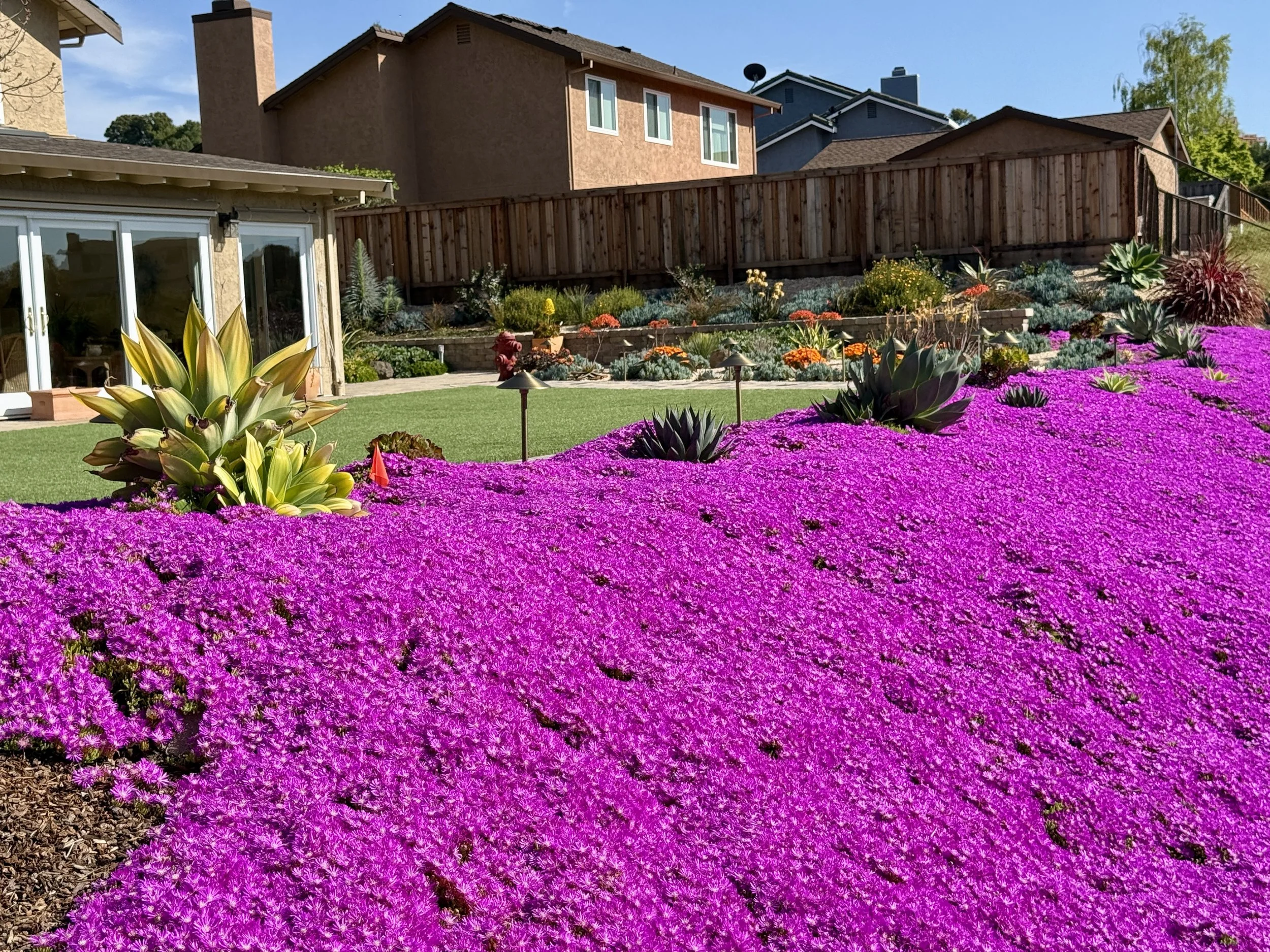
Living Art: When Gardens Become Ecological Masterpieces
Seasonal succession in bloom time is both an ecological requirement and a design asset. A planting that sequences from early spring through late autumn provides continuous forage while also creating visual progression through the year. Structural contrast—fine-textured foliage against bold architectural forms, for example—supports diverse pollinator communities by accommodating the range of flower forms used by different bee species, butterflies, and hummingbirds.
When ecological function and design intent are aligned, the result is a garden that works on multiple levels simultaneously—visually resolved, ecologically productive, and suited to how the space is enjoyed.
Beyond Bees: The Full Spectrum of Beneficial Insect Pollinators
Honeybees and butterflies represent a small fraction of the insect pollinators present in Bay Area gardens. A functionally designed habitat accounts for the full range—native bees, hoverflies, beetles, moths, and wasps—each group with distinct habitat requirements, foraging behaviors, and ecological roles beyond pollination alone.
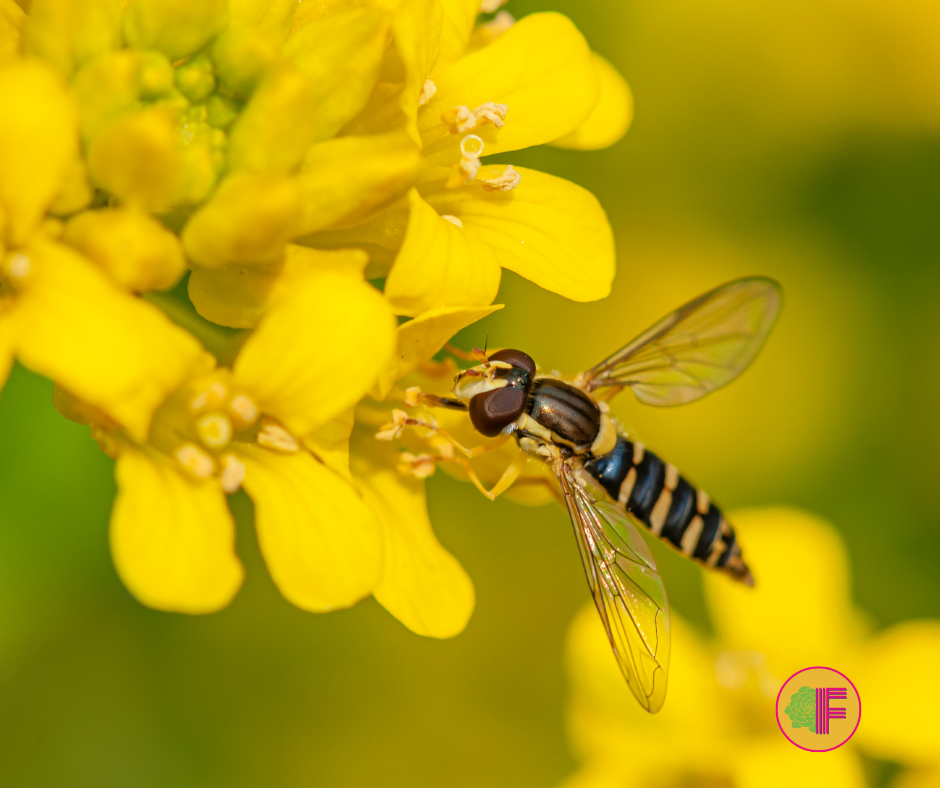
Native bees represent the largest group of pollinators, with species ranging from tiny sweat bees smaller than a grain of rice to robust carpenter bees. Many are solitary nesters, creating homes in hollow plant stems, bare ground, or existing cavities. Hoverflies mimic bees in appearance but are actually flies whose larvae consume aphids and other pests. As adults, they're excellent pollinators, particularly of plants with open, accessible flowers.
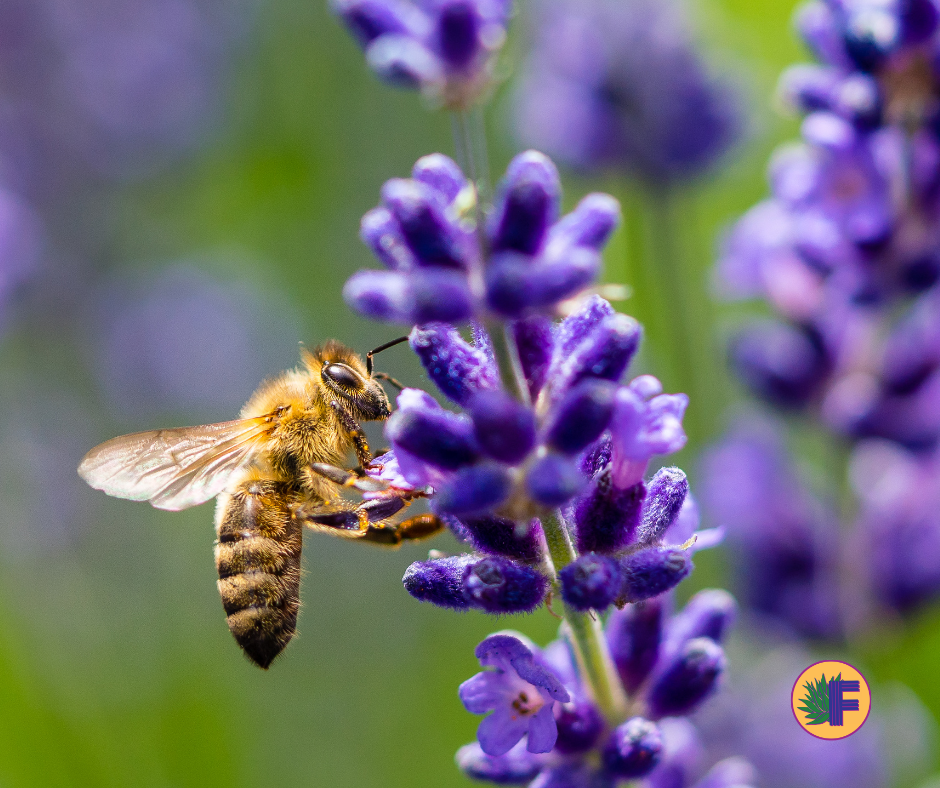
Beetles, often overlooked, were among the first pollinators in evolutionary history and remain important for certain plant species. Moths provide critical nighttime pollination services, and their caterpillars serve as essential food for birds raising young. Even wasps, frequently maligned, offer dual benefits as both pollinators and predators of garden pests.
Farallon Gardens designs with the full insect community in mind. A properly layered habitat addresses the complete life cycle—adult foraging plants, larval host plants, overwintering structure, and pesticide-free management. The outcome is a garden that becomes increasingly self-regulating over time, with natural predator-prey relationships reducing the need for intervention.
Hummingbirds: The Bay Area’s Remarkable Aerial Pollinators
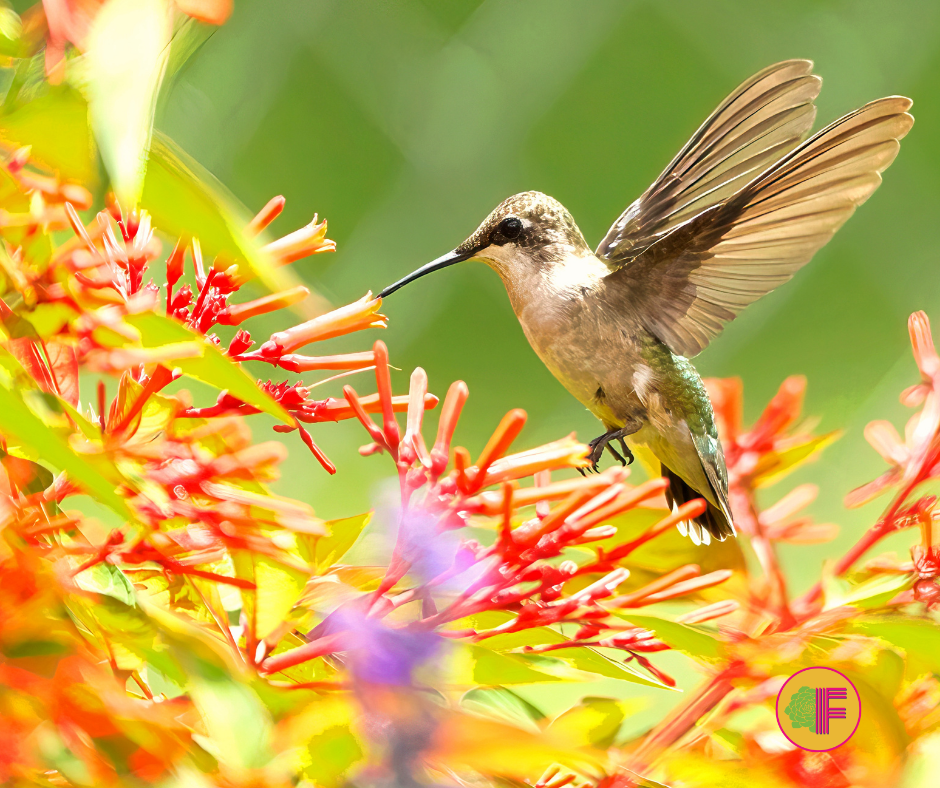
The Bay Area supports one of the densest hummingbird populations in North America—a biological reality with direct consequences for garden design. Anna’s Hummingbird (Calypte anna) is a year-round resident throughout the region, while Allen’s Hummingbird (Selasphorus sasin) arrives in late winter and remains through summer. Both species are obligate nectarivores and significant contributors to pollination, particularly for tubular-flowered plants whose morphology limits access to most insect pollinators. Hummingbirds are integral to the ecological structure of a well-designed Bay Area garden.
Unlike most insect pollinators, Anna’s Hummingbird is active in every month of the year, foraging during winter rain gaps and early spring before the insect community has fully emerged. This extended seasonal presence makes hummingbird-compatible planting a functional priority, not merely an aesthetic one. Farallon Gardens selects and sequences these plants deliberately, ensuring that hummingbird-accessible bloom is distributed across all seasons and integrated into the broader habitat structure of the garden.
The Farallon Gardens Approach: From Vision to Thriving Ecosystem
Successful pollinator plantings are site-specific. Soil type, drainage, sun exposure, aspect, and microclimate all determine which plants will establish and perform over time. The Bay Area’s varied topography means conditions can shift substantially from one property to the next—coastal influence, hillside exposure, valley heat, and urban heat island effects each require a different approach to plant selection and design.
Every Farallon Gardens project begins with a thorough site assessment. We evaluate soil composition, drainage patterns, existing vegetation, sun and shade distribution, and irrigation infrastructure before a single plant is specified. This analysis directly informs the design—ensuring that plant selection is matched to actual conditions rather than generalized assumptions about what should grow in the Bay Area.
In the Bay Area’s Mediterranean climate, fall and early winter planting allows root systems to develop during the rainy season, building drought tolerance before the first summer. We schedule installations accordingly, and our knowledge of local seasonal patterns informs every phase of the process.
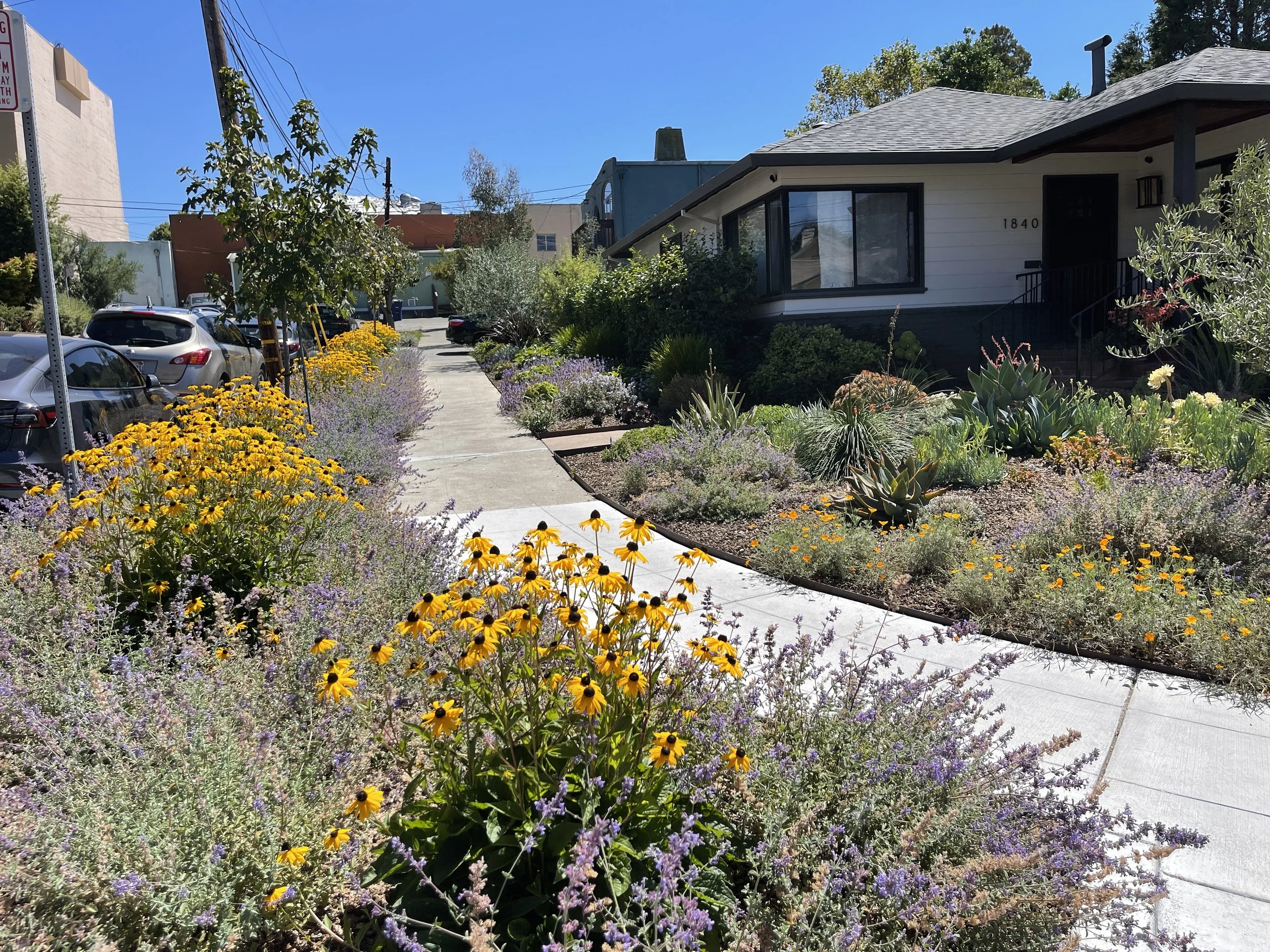
During the long Bay Area summer, when California natives have dried back and gone dormant, Mediterranean plants step in to fill the ecological void. Nepeta, Cuphea, Osteospermum, Agastache, and Salvia bloom through the heat, sustaining carpenter bees, bumble bees, mason bees, and leafcutters well into autumn—extending the garden’s season of productivity far beyond what a single-origin planting could achieve.
Post-installation maintenance for native and pollinator gardens differs significantly from conventional garden care. These plantings respond to seasonal rhythms and require intervention timed accordingly—not a standard schedule applied regardless of conditions. Farallon Gardens offers maintenance programs built around how these plant communities grow, from seasonal cutbacks and mulching to full year-round stewardship.
Begin Your Garden's Transformation
A well-designed pollinator garden requires botanical knowledge, design experience, and a clear understanding of how plants perform in specific Bay Area conditions. These are not interchangeable skills, and the results reflect whether all three are present. Farallon Gardens has built its practice around exactly this combination, applied specifically to the gardens and conditions of this region.
Pollinator plantings are long-term investments in the ecological function of a property. The plant communities we establish continue to mature and increase in habitat value over time. A garden installed today will be a more complex and productive system in five years—provided it was designed and planted correctly from the start.
Pollinator gardens require site-specific knowledge and seasonal timing to establish well. Contact Farallon Gardens at info@farallongardens.com to schedule a consultation. farallongardens.com
Botanically Driven. Distinct by Design. We love your garden.