The Great Acacia Blame Game: Why Your Favorite Golden Tree Isn't the Allergy Villain You Think It Is
If you live in the Bay Area and suffer from sneezing, itchy eyes, and a runny nose every February and March, you've probably pointed your finger at those gorgeous golden acacia trees blooming along our streets. With their brilliant yellow flowers impossible to miss, they seem like the obvious culprit. But here's the plot twist: Acacia trees might be taking the blame for allergies they didn't cause!
The Acacia Scapegoat Phenomenon
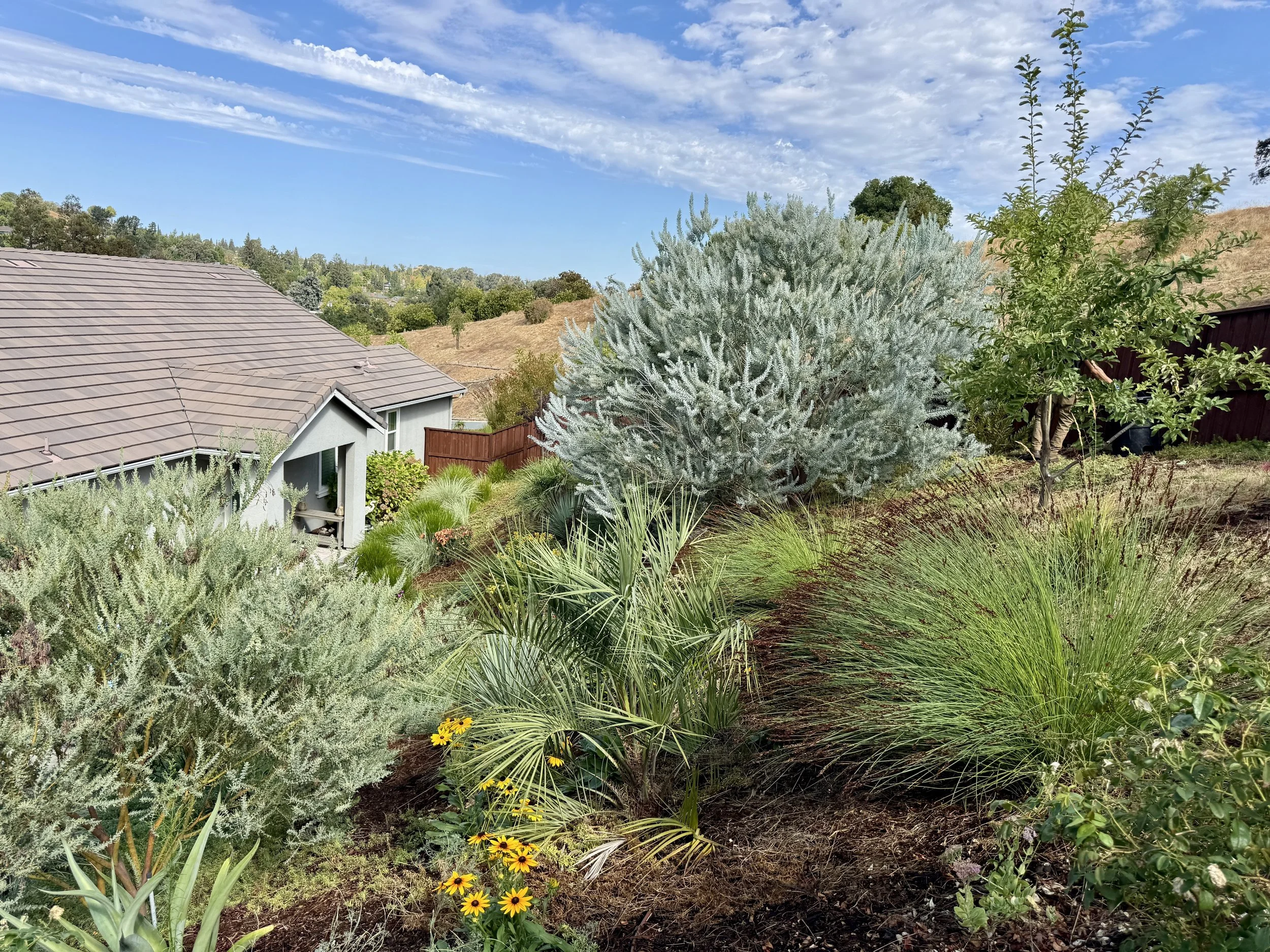
Picture this: you're walking through the Bay Area in late February, and those stunning Acacia trees are absolutely covered in brilliant yellow blooms, busy bees buzzing fortuitously on the blossoms. Your eyes start watering, you sneeze three times in a row, and you think, "Aha! It's those Acacia trees!" It's a logical conclusion—after all, they're the most visible flowering trees around. But visibility doesn't equal allergenicity!
Here's what the science tells us: research shows that Acacia sensitization occurs in only 3-7% of allergy populations. To put that in perspective, grass allergies affect 20-40% of allergy sufferers, and other tree pollens can sensitize 20-50% of people. Acacia isn't even in the same league! Yet it gets blamed constantly because of perfect—or should we say, perfectly unfortunate—timing.
The Real Culprits: The Bay Area's February-March Pollen Peak
So, if Acacia isn't causing most of your symptoms, what is? The answer lies in understanding the Bay Area's pollen calendar. During Acacia's February-March bloom period, the Bay Area experiences a perfect storm of highly allergenic tree pollens. Let's meet the actual troublemakers:
Alder Trees - These sneaky deciduous trees release massive amounts of highly allergenic pollen throughout February and March. They're one of the major causes of allergic disease in Northern California, yet they're far less visually obvious than those showy Acacia blooms.
Juniper, Cedar, and Cypress - This related family of evergreens pollinates from January all the way through May (sometimes even June!). They're moderately to highly allergenic and are very important pollen sources in the Bay Area. According to local allergists, they're major causes of allergic disease in our region.
Birch Trees - While not native to California, birch has been planted extensively for its attractive white bark. During its March-to-mid-April pollen season, birch releases highly allergenic and abundant pollen.
Ryegrass - Starting to gear up in late winter and early spring, grasses are the single most important group of plants causing allergies in the Bay Area. Grass pollen grains are large, highly allergenic, and can reach very high counts. Skin test reactions to grass are often quite strong in allergic patients.
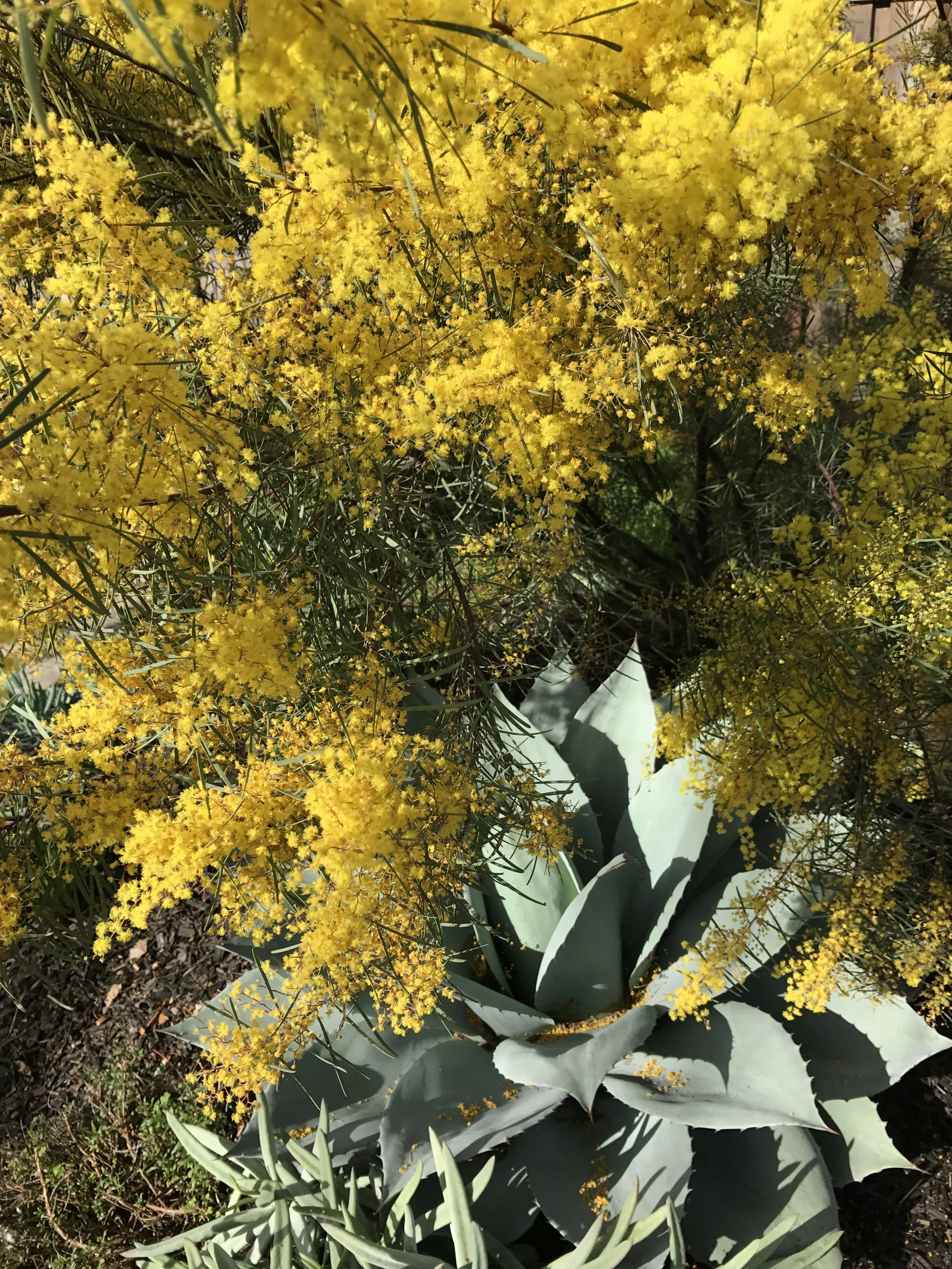
Meanwhile, Acacia produces what allergists describe as a "heavy pollen" that doesn't travel far and is only mildly allergenic. One local allergy specialist notes that Acacia is "only important in the immediate vicinity of the tree" and has much lower allergenicity compared to the trees listed above.
Why Acacia Gets All the Blame
Experts attribute the Acacia blame game to what we might call "visual cue bias." Acacia's bright yellow blossoms are simply impossible to miss during peak allergy season. They're everywhere in the Bay Area—lining streets, gracing parks, and creating those Instagram-worthy golden canopies we all love (when we're not sneezing). When you can literally see the pollen source, it's natural to assume it's the problem.
Meanwhile, the real allergenic powerhouses—alder, juniper, and cedar—release their pollen much more quietly. Their flowers aren't showy. You might not even notice them blooming. But their lightweight, highly allergenic pollen travels on the wind for miles, triggering symptoms in allergy sufferers throughout the region.
It's the perfect case of mistaken identity: the flashy suspect gets arrested while the actual perpetrators slip away unnoticed!
The Bay Area Allergy Reality Check
Testing reveals the truth about what's actually triggering allergies in our area. Studies of Bay Area allergy patients show that grasses and trees sensitize 20-50% of patients—dramatically dwarfing Acacia's minor 3-7% role. When you think about the numbers, it's clear that Acacia allergies are far rarer than people think.
This doesn't mean Acacia allergies don't exist—they absolutely do! If you're one of that 3-7%, your symptoms are real and valid. But most people experiencing symptoms during acacia bloom time are actually reacting to alder, juniper, birch, grasses, or a combination of these much more allergenic pollens.
What This Means for Your Landscape
If you've been planning to remove that beautiful Acacia from your property thinking it's the source of your allergy woes, you might want to reconsider! While we always recommend professional allergy testing to identify your specific triggers, the science suggests that Acacia is probably not your main problem.
For Bay Area homeowners looking to create more allergy-friendly landscapes, focusing on the true high-allergen culprits makes more sense. At Farallon Gardens, we have the expertise to identify which specific plants are triggering your symptoms and design a landscape that's both stunning and allergy conscious. Every property is different, and our customized approach ensures you get the right solutions for your unique situation.
Creating a beautiful, low-allergen landscape requires understanding the difference between visual impact and allergenic impact. Just because a tree has showy flowers doesn't mean it's problematic for allergies. In fact, many of the most allergenic plants in the Bay Area have inconspicuous blooms that release lightweight, airborne pollen you can't even see.
Why Farallon Gardens Incorporates Acacia Trees
Given what we now know about Acacia's minimal role in the Bay Area allergies, it's no surprise that Farallon Gardens actively incorporates these stunning trees into the landscapes we design. Acacia species offer a compelling combination of benefits that make them ideal for Berkeley's unique environment and regulatory requirements.
First, Acacia trees are remarkably fast-growing, which is invaluable for homeowners who need quick screening, erosion control, or structural elements in their landscape. Many varieties can add 2-3 feet or more of growth per year, establishing a mature presence in just a few seasons—perfect for new EMBER-compliant landscapes that need rapid transformation.
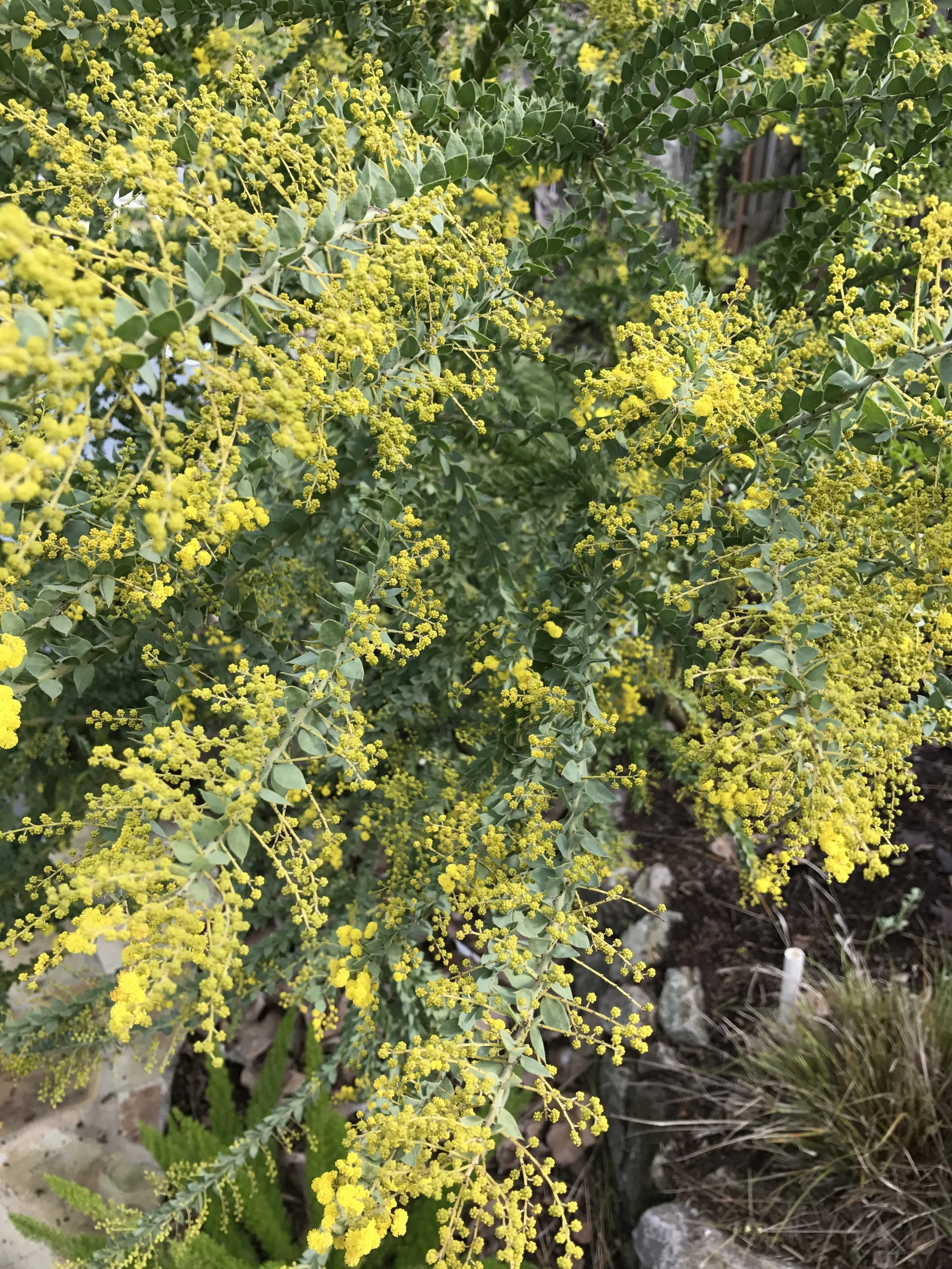
Second, their dramatic foliage and flower displays create year-round visual interest. The silvery-gray to blue-green phyllodes (modified leaf stems) provide striking textural contrast against darker plantings, while the golden-yellow winter and spring blooms offer spectacular color precisely when many other plants are dormant. This combination of form and flower makes Acacia trees exceptional focal points.
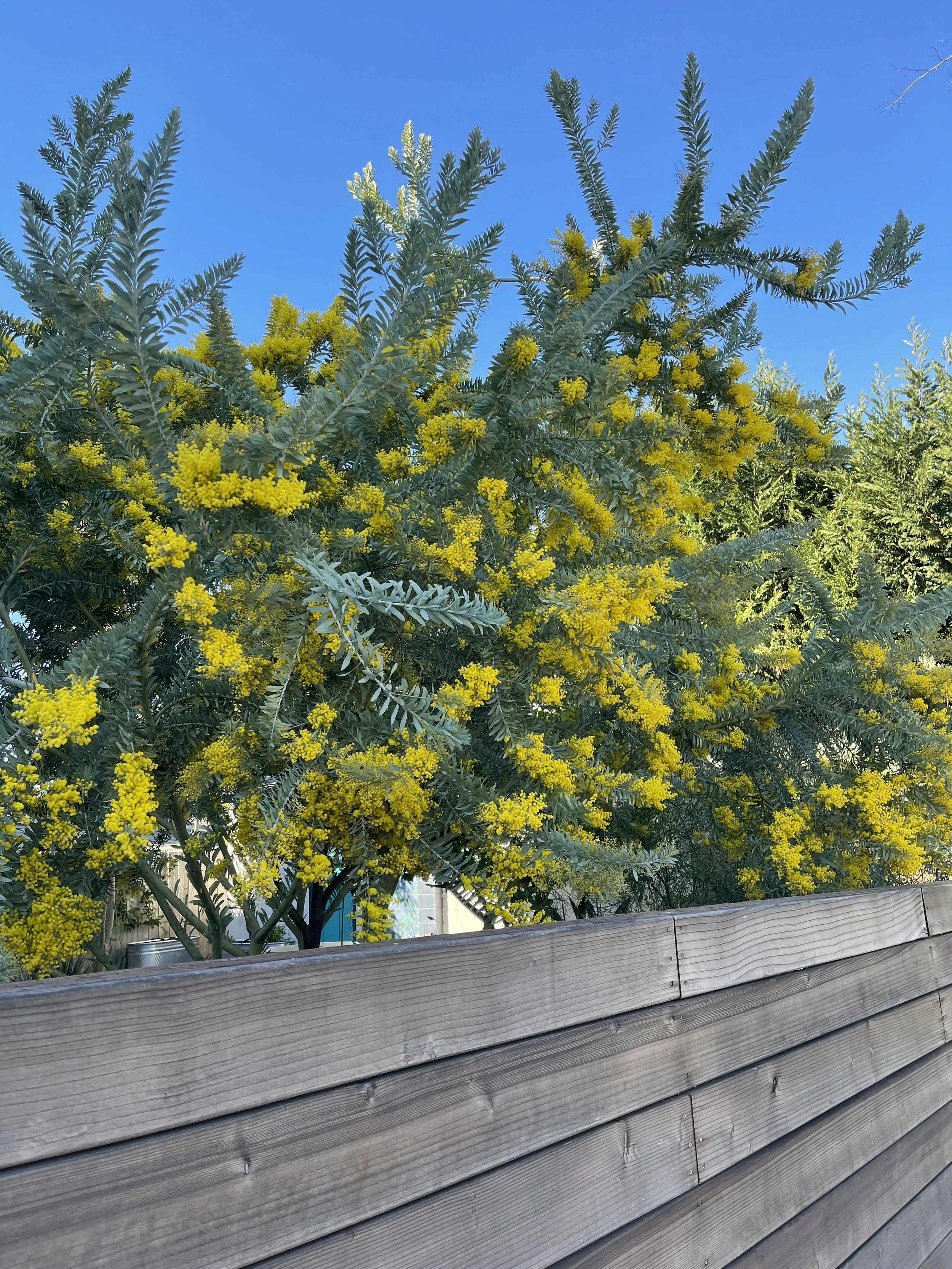
Most importantly, Acacia species demonstrate outstanding drought tolerance once established—a critical consideration in the Bay Area's Mediterranean climate and an essential feature for fire-safe, water-wise landscaping. These trees thrive with minimal supplemental irrigation, making them both environmentally responsible and compliant with California's water conservation requirements.
Farallon Gardens' Preferred Acacia Varieties
At Farallon Gardens, we've carefully selected Acacia varieties that excel in the Bay Area's climate. All our preferred species originate from Southwestern Australia, a region with a Mediterranean climate remarkably similar to the Bay Area's, ensuring excellent adaptability and performance.
Acacia podalyriifolia (Pearl Acacia or Queensland Silver Wattle)
This stunning small tree reaches 12-20 feet tall with a 10–15-foot spread, perfect for multi-story landscapes. Its distinctive silvery-gray, rounded phyllodes create a soft, elegant texture that contrasts beautifully with darker evergreens. In late winter to early spring, Pearl Acacia produces masses of fragrant, pale yellow pompom flowers that cover the branches in a spectacular display. Fast-growing and reaching flowering maturity in just 2-3 years, this variety is ideal for quick screening or as a focal specimen. It performs best with excellent drainage and tolerates the Bay Area's dry summers beautifully once established.
Acacia iteaphylla (Flinders Range Wattle or Willow Wattle)
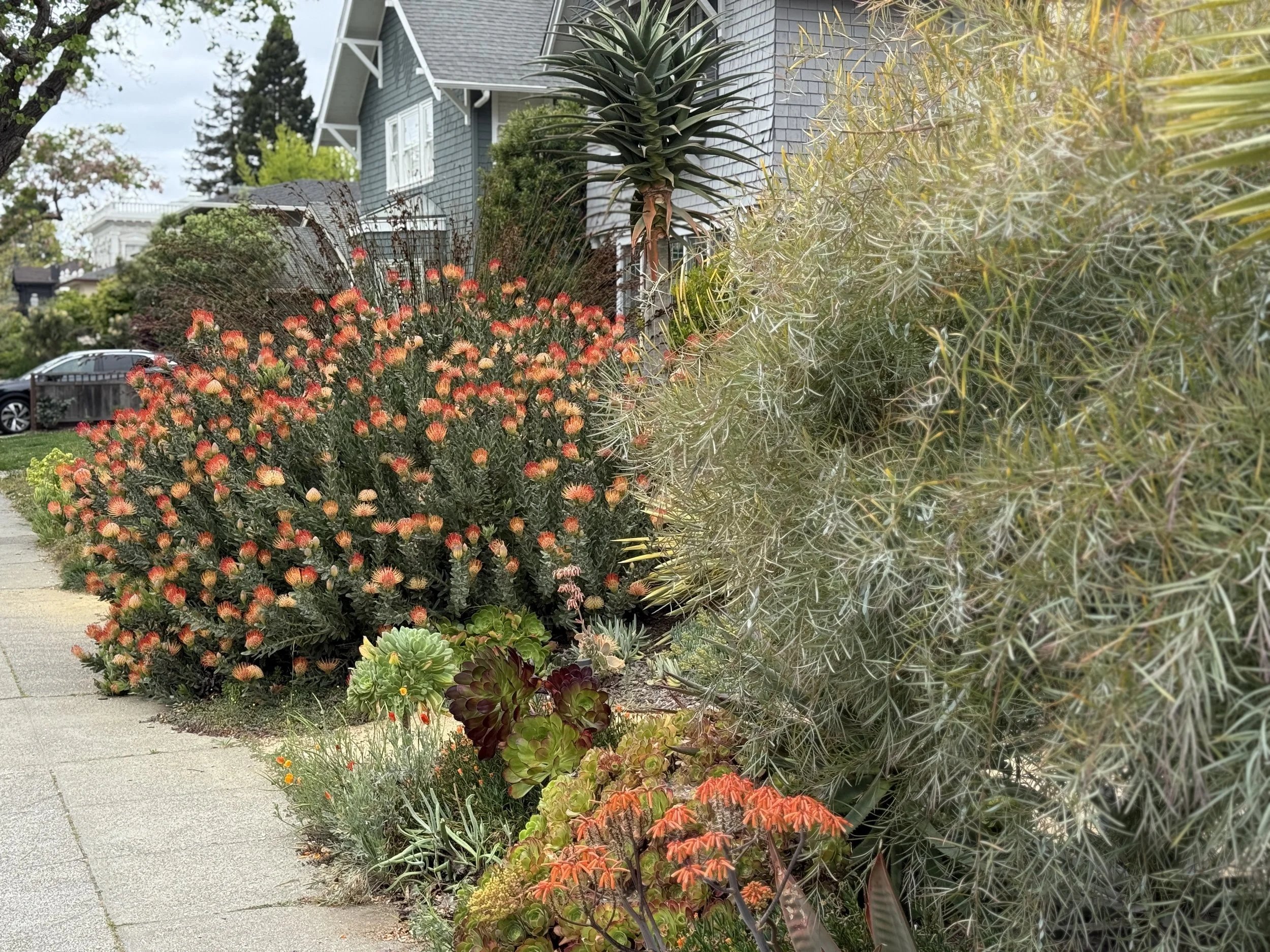
Characterized by its graceful, weeping habit and narrow gray-green phyllodes, this versatile shrub typically grows 8-15 feet tall with a dense, spreading canopy of 10-15 feet. The slender, willow-like foliage has attractive pink-red tips on new growth, adding subtle color interest. Flowering occurs in late fall through winter with masses of fragrant, soft golden-yellow ball-shaped blooms—providing critical winter color when few other plants are flowering. Exceptionally drought-tolerant and adaptable to a wide range of well-drained soils, Flinders Range Wattle excels as a fast-growing screen, hedge, or slope stabilization plant. It's also moderately frost-tolerant and can handle both clay and sandy soils.
Acacia cultriformis (Knife-Leaf Wattle or Golden-Glow Wattle)
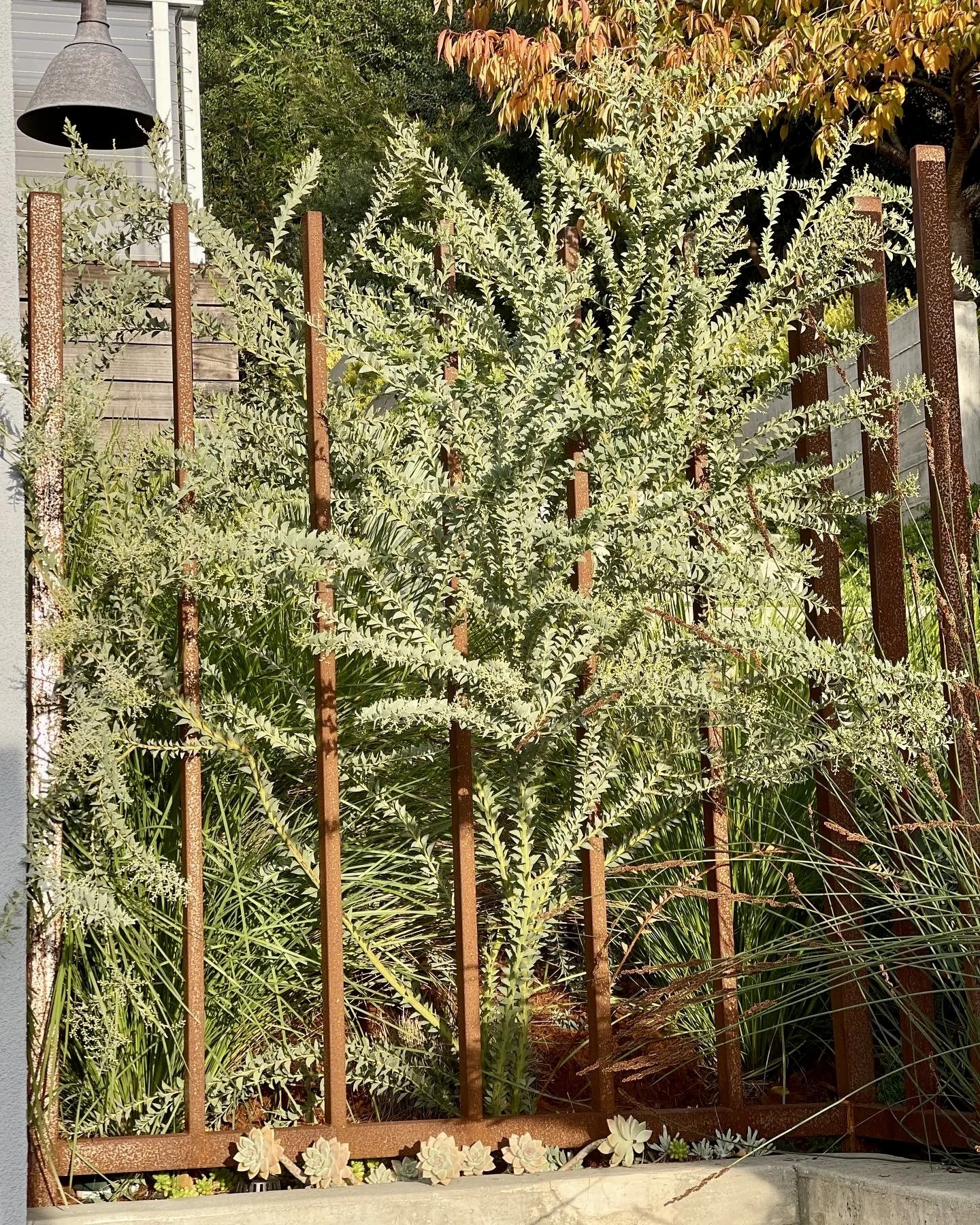
This multi-stemmed evergreen reaches 10-20 feet tall with distinctive triangular, knife-shaped phyllodes in an attractive silvery-gray color. The unique foliage creates striking architectural interest year-round, while spring brings abundant clusters of bright golden-yellow pompom flowers covering the upper branches. Knife-Leaf Wattle adds 24-36 inches of growth per year, making it excellent for quick establishment. It's remarkably adaptable, tolerating a wide range of soil types and proving useful as a barrier, screen, or on banks and slopes. With moderate frost tolerance and excellent drought resistance, this long-lived species (up to 50 years) provides lasting value. The cut branches are also beautiful in flower arrangements.
Acacia covenyi (Blue Bush)
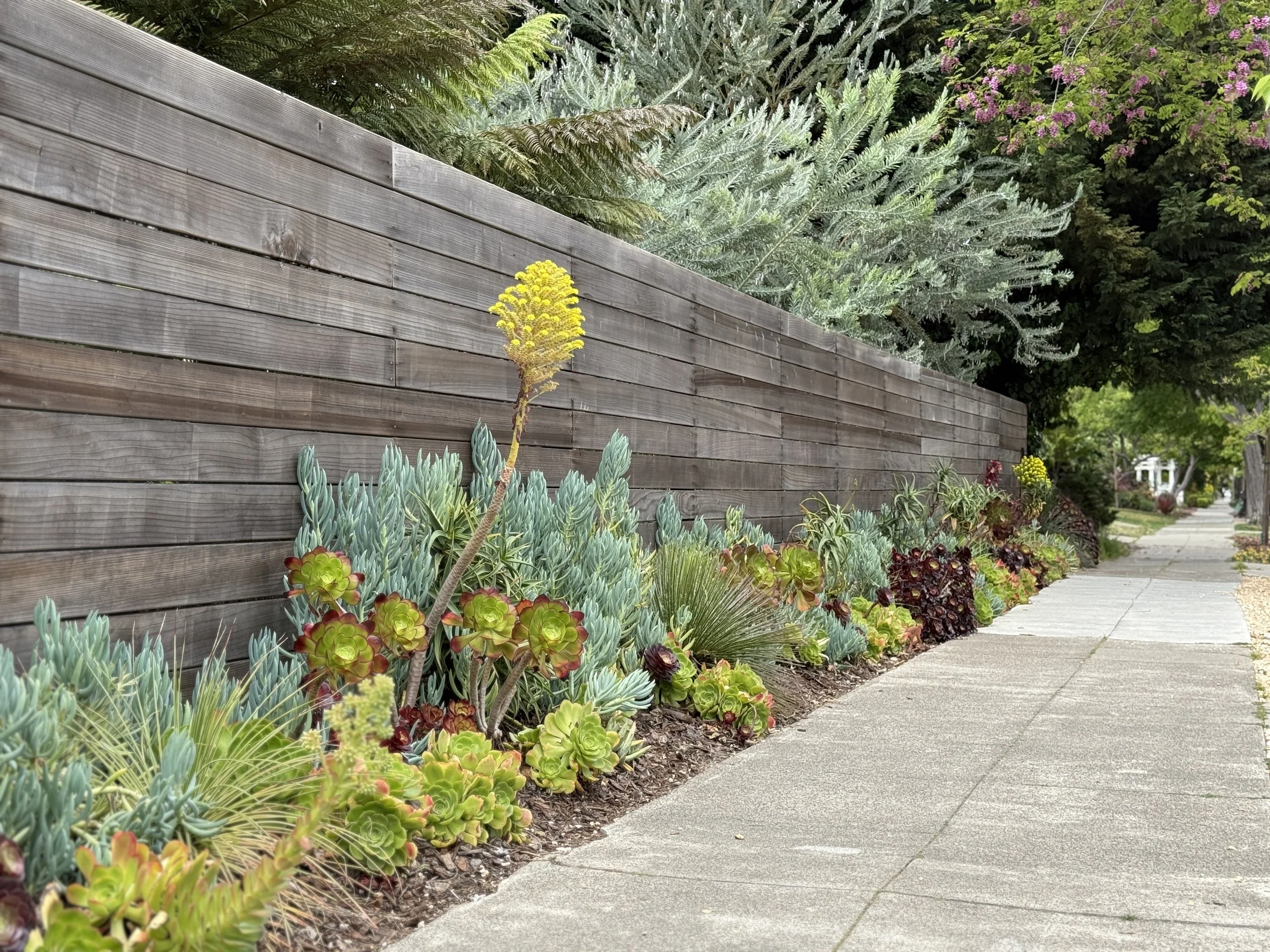
Perhaps the most striking for foliage alone, Blue Bush features stunning powder-blue to gray-blue phyllodes that provide exceptional color contrast in the landscape. Growing 15-20 feet tall and 8-12 feet wide as either a multi-stemmed shrub or small single-trunked tree, it creates dramatic visual impact. The smooth chocolate-brown bark adds additional interest. In late winter to early spring, masses of luminous lemon-yellow flower balls emerge, creating a spectacular contrast against the blue foliage. This is one of the hardiest Acacia species, tolerating brief periods down to 10°F, making it reliable for the Bay Area's occasional cold snaps. Quick-growing and adaptable to various well-drained soils, Blue Bush is excellent for screens, specimen planting, and hedges. The abundant winter flowers provide crucial early-season pollen for beneficial insects.
Let Farallon Gardens Help You Navigate the Bay Area's Allergy Landscape
At Farallon Gardens, we understand the unique challenges of creating beautiful outdoor spaces in the Bay Area's complex allergy environment. Whether you're dealing with EMBER compliance requirements or simply want to design a landscape that won't trigger sneezing fits every spring, we're here to help. Our team knows which plants are truly problematic for allergies and which ones just look like they might be!
We specialize in creating stunning, fire-safe, allergy-conscious landscapes that work with the Bay Area's climate and regulations. From comprehensive site assessments to custom design and professional installation, we handle every detail so you can enjoy your outdoor space—sneeze-free!
Ready to create a landscape that's both beautiful and breathable? Contact Farallon Gardens today at info@farallongardens.com to schedule your consultation. Let's stop blaming the Acacia and start creating the perfect outdoor space for your Bay Area home! Visit our site https://www.farallongardens.com
#LivingWorksOfArt #BerkeleyLandscaping #AcaciaMyth #AllergyFacts #BayAreaGardening #FarallonGardens #FireSafeLandscaping #BerkeleyHillside #SustainableGardening #PollenTruthษาไทยให้หน่อยได้ไหมคะ?